Israel election: No clear winner as Netanyahu and Eisenkot blocs fall short
With about 90 percent of votes counted, Benjamin Netanyahu's bloc leads with 53 seats, but neither camp has the 61 needed for a majority. Both Netanyahu and rival Gadi Eisenkot have claimed a mandate.
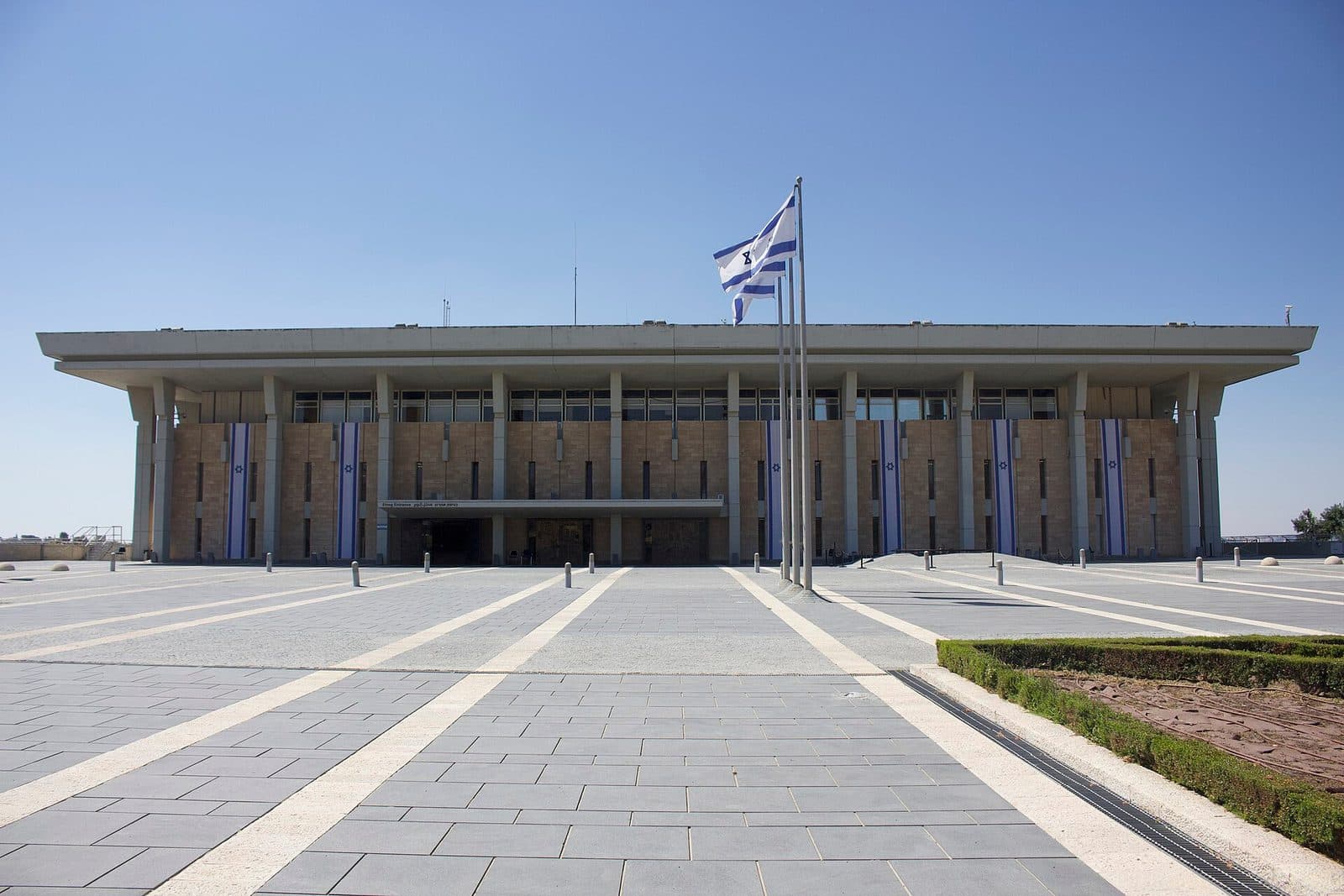
- Netanyahu's Likud-led bloc has 53 seats with 90% of votes counted, according to DW and France 24
- Eisenkot's bloc has 48 seats and Arab-majority parties 19, according to France 24
- A majority needs 61 of the Knesset's 120 seats
- Official final results are due on November 4, DW reported
Israel's election has produced no clear winner. With about 90 percent of votes counted, Prime Minister Benjamin Netanyahu's Likud-led bloc leads with 53 seats, according to DW and France 24. Neither side is expected to reach the 61 seats needed for a majority in the 120-seat Knesset.
The anti-Netanyahu bloc led by Gadi Eisenkot's Yashar party has 48 seats, DW reported. France 24 said the opposition as a whole stands at 67 seats, made up of 48 for Eisenkot's centrist bloc and 19 for Arab-majority parties. Those two Arab-majority parties are set for a historic result, France 24 reported.
Turnout was the highest in decades. Anadolu Agency said it was the highest since 1999, with nearly 5.7 million voters casting ballots. France 24 reported that Netanyahu's bloc appears to have lost a significant number of seats compared with the 2022 election.
The count is not finished. The Central Elections Commission said it began counting double envelope ballots early Thursday. These are mostly cast by soldiers, prisoners and diplomats abroad, and by people unable to vote at their assigned polling stations. The commission estimates 430,000 to 480,000 such ballots, below its earlier estimate of about 600,000. They make up just under 10 percent of votes and could affect the seat distribution.
A full count is tentatively expected by Thursday afternoon, and official final results will be issued on November 4, according to DW.
Both Netanyahu and Eisenkot have claimed a mandate, according to Gulf News and Al Jazeera. Several outlets said the key question is whether Eisenkot's bloc would form a coalition with the Arab parties. The Israeli president called on the parties to "do everything" to form a coalition and avoid a return to the polls, France 24 reported. Arab News reported that Netanyahu is set to remain caretaker prime minister.
Israel's stock market reacted to the uncertainty. Al Jazeera reported that the Tel Aviv 125 index fell more than 2 percent after exit polls showed no clear winner.
UN human rights chief Volker Turk said he hoped the next government would "change course massively". Experts cited by DW say a new government is unlikely to bring big changes on Palestinian statehood or Israeli troops in Lebanon and Syria. Hezbollah leader Naim Qassem said the group does not care who governs Israel, Arab News reported.
Why it matters
Israel's next government will shape the Middle East conflict and regional diplomacy that Pakistan follows closely. Experts cited by DW expect little change on Palestinian statehood or Israeli troops in Lebanon and Syria.