Israel election: Netanyahu bloc leads count but short of majority
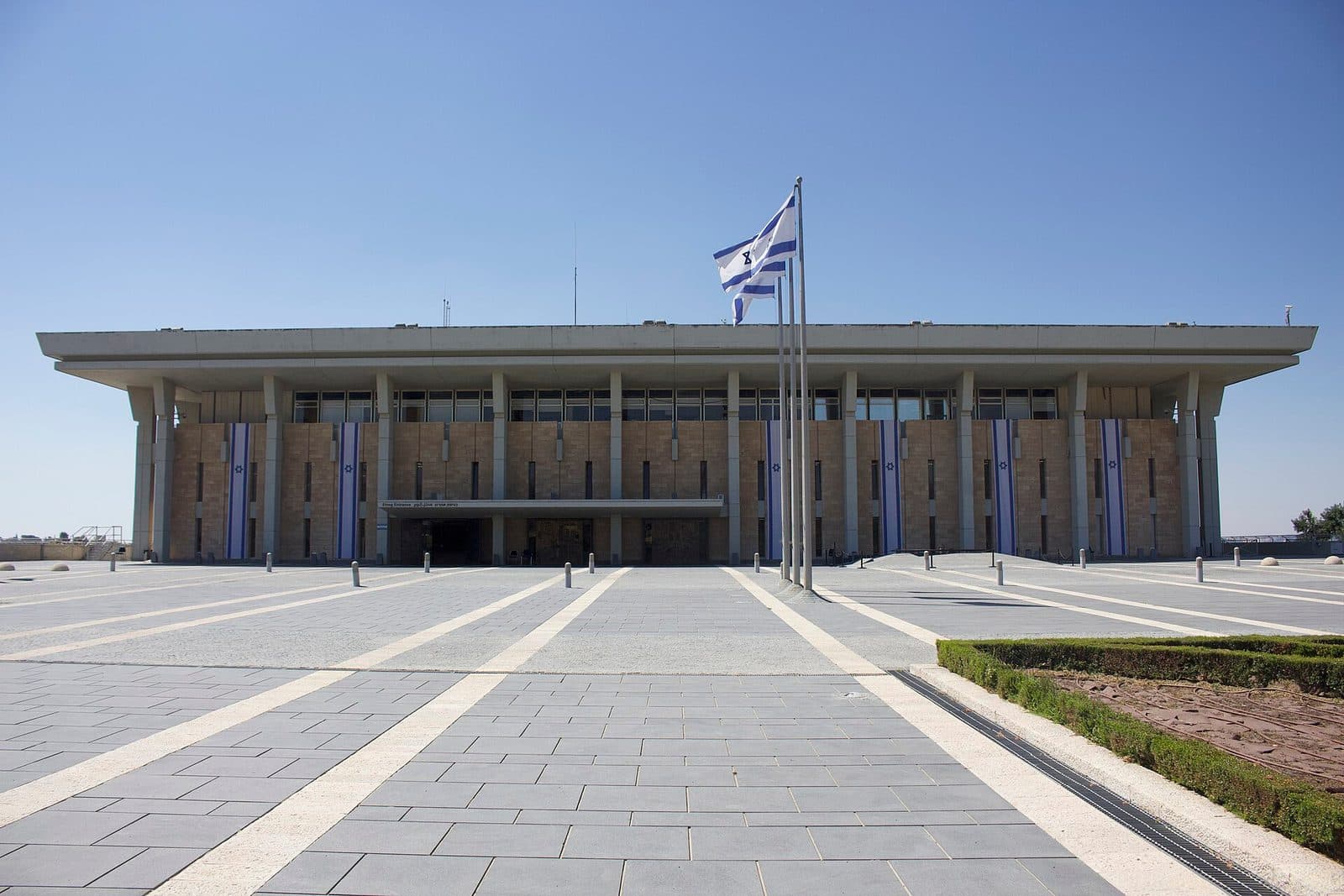
Prime Minister Benjamin Netanyahu's Likud-led bloc leads Israel's election count with 53 seats, short of the 61 needed. The anti-Netanyahu bloc has 48 seats and difficult coalition talks are expected.
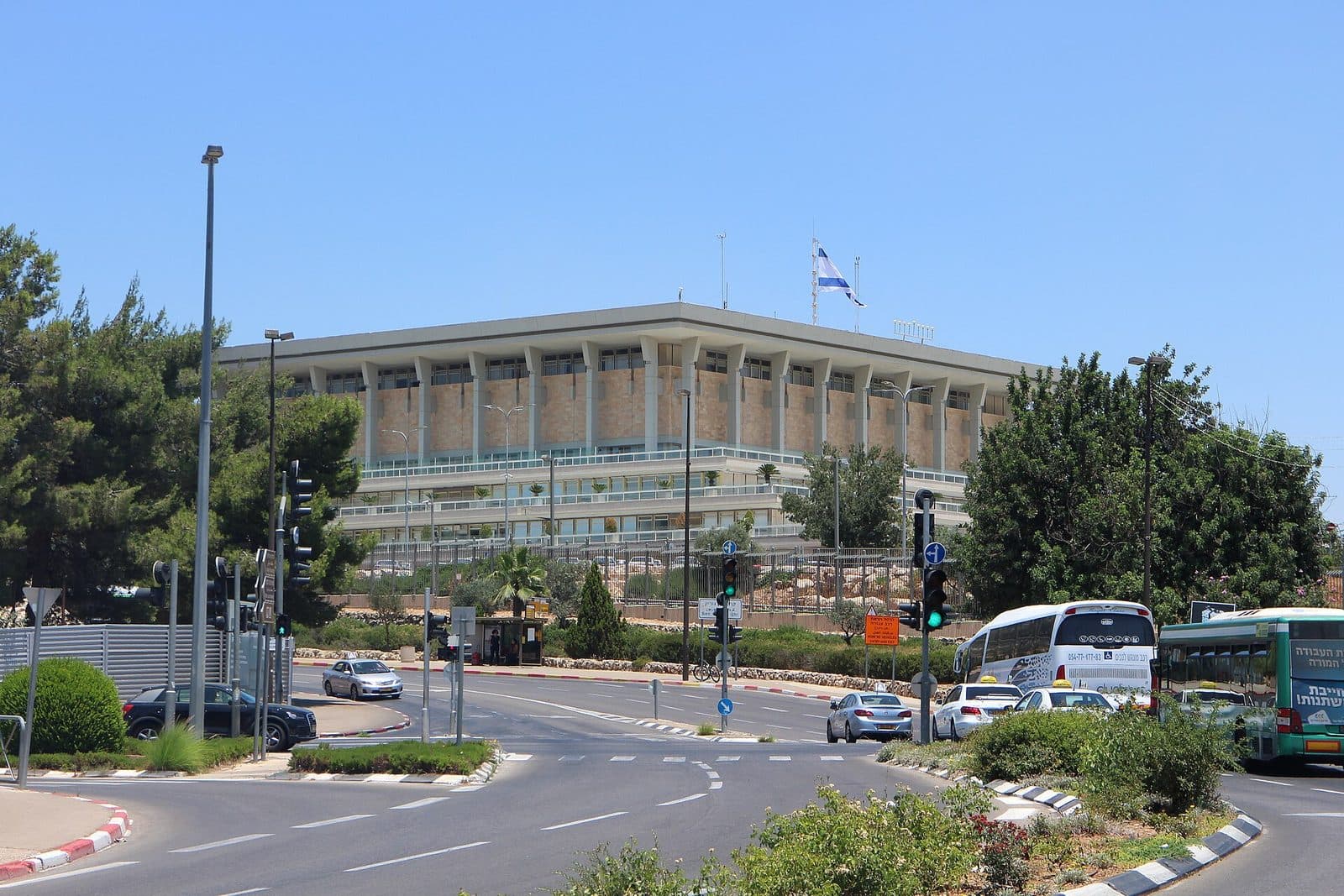
- Netanyahu's bloc has 53 seats in the 120-seat Knesset; the opposing bloc has 48.
- Two Arab parties are set to win a record 19 seats between them.
- Official final results will not be issued until November 4.
Israel's election count shows the bloc led by Benjamin Netanyahu's Likud ahead of its rivals but without a governing majority. DW reported that with nearly 99% of votes counted, Netanyahu's bloc held 53 seats in the 120-seat Knesset. The opposition bloc, led by Yashar party leader Gadi Eisenkot, had 48. At least 61 seats are needed to form a secure majority.
Neither grouping is expected to win an outright majority, and DW reported that coalition talks are expected to be difficult in the coming weeks. Turnout was the highest in decades, according to DW.
The two mainly Arab parties, the United Arab List (Ra'am) and the Joint List, were set to win 19 seats between them, according to the Central Election Committee as cited by DW. That beats their previous record of 15. Al Jazeera reported that an estimated 80 percent of eligible Palestinian voters in Israel turned out. Palestinian citizens make up about 21 percent of the population.
Netanyahu has ruled out working with Arab parties to gain a majority. Al Jazeera reported that former prime ministers Naftali Bennett and Yair Lapid ruled out sitting in a government with Palestinian parties on election night. Avigdor Lieberman, leader of Yisrael Beytenu, ruled out a coalition with them on Thursday. Al Jazeera said the left-wing Democrats were the opposition party most likely to cooperate with them.
Likud alleged large-scale foreign involvement in the election, led by Qatar and Turkey, and called on the Shin Bet to investigate possible interference in Palestinian turnout. Israeli police said there was no evidence for the claims. A senior Central Election Committee official denied the allegations, and the committee said there was no basis for allegations of systematic violations of election integrity. Netanyahu said evidence would be handed to police, Shin Bet and the committee.
Qatar said it categorically denied allegations that it interfered in Israeli elections or funded activities meant to influence the outcome. Mansour Abbas, head of Ra'am, welcomed any investigation into interference and said his party had nothing to do with it.
Counting of absentee double-envelope ballots began early Thursday. They make up almost 10% of the vote, but DW reported they were not expected to materially change the result. The committee expects 430,000 to 480,000 such ballots, below its earlier estimate of about 600,000. A full count was tentatively expected by Thursday afternoon, while final official results will not come until November 4.
UN human rights chief Volker Türk said he hoped the next Israeli government would "change course massively" and respect international law. He said Israel's recent operation in the West Bank city of Hebron raised serious concerns about unnecessary and disproportionate action.
Why it matters
The outcome will shape Middle East diplomacy and the Gaza and Iran crises that Pakistanis follow closely.