LPG supplies from Iran resume, prices begin to ease in Pakistan
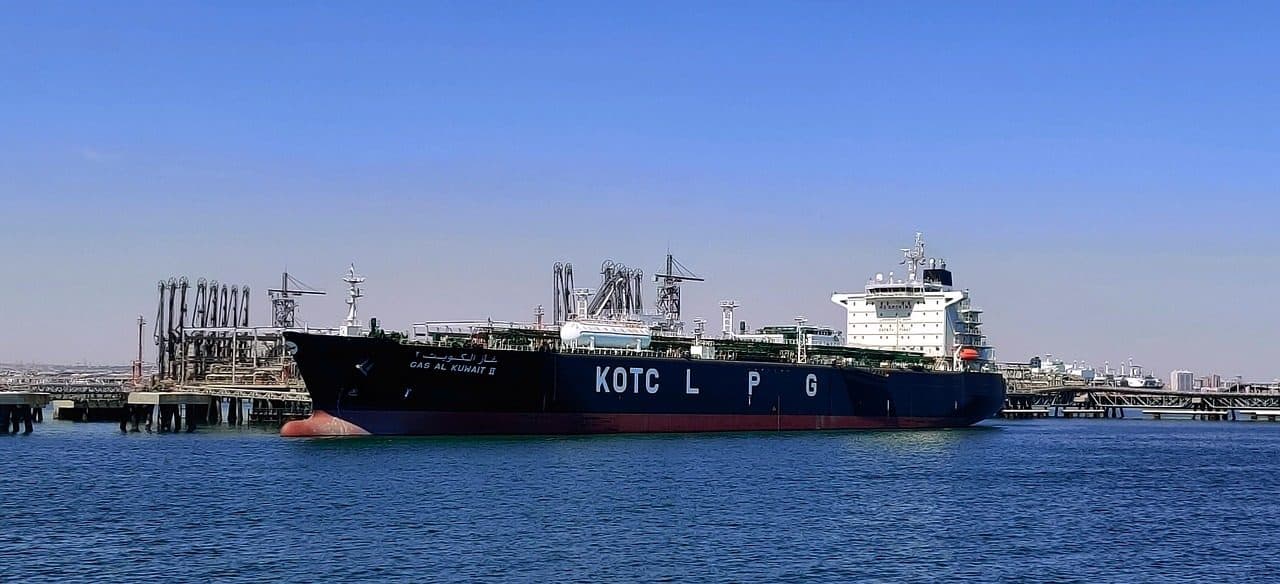
LPG tankers are again entering Pakistan from Iran, and two ships have arrived at Port Qasim. Prices that had reached about Rs550 per kg have fallen to Rs500-530 in some markets.
For information only, not investment advice. Prices change quickly: check the time and source of every figure.
- LPG tanker supplies from Iran resumed through the Gabd and Taftan borders
- Prices fell from about Rs550 to Rs500-530 per kg in some markets, according to LPG market representatives
- Marketers expect Karachi prices to fall further within 48 hours, but this is an estimate
- A shortage of transport vehicles is slowing distribution
Liquefied petroleum gas supplies from Iran have resumed through the Pakistan-Iran border, and prices have started to decline after weeks of shortage in Karachi and other parts of the country, according to reports by 24 News, Geo and Minute Mirror.
According to LPG market representatives, prices that had climbed to around Rs550 per kilogram have fallen to between Rs500 and Rs530 in some markets. LPG marketers expect Karachi prices to drop below Rs500 per kilogram within 48 hours. Ali Haider, senior vice chairman of the LPG Marketers Association, estimated the general price in Karachi could reach about Rs480 per kilogram. Minute Mirror noted this is a market estimate, not a guaranteed change, and that the final rate depends on incoming volumes, transport availability and how quickly distributors rebuild stocks.
Importer Shaukat Isa Zai told Geo that around 400 LPG containers entered through the Taftan border and 1,300 through the Gabd border over the past two days. He said prices had already been affected by the resumption and could fall further if supplies continue without interruption.
24 News reported that more than 200 tankers were expected to be cleared at the Gabd-Rimdan border on Sunday, which could bring roughly 3,000 to 4,000 tonnes of LPG to the local market. Sources told the channel prices could fall by Rs50 to Rs70 per kilogram.
Supplies have also come by sea. According to port officials cited by 24 News, a ship carrying 4,520 tonnes of LPG berthed at Port Qasim, while another carrying 3,083 tonnes finished unloading and left.
Industry representatives cautioned that the new shipments alone may not meet national needs. Minute Mirror reported that the quantity brought to the port is lower than Pakistan's average consumption over two days, even before winter demand is counted. Haider said a shortage of vehicles is making it hard to move LPG to markets, and that enough transport is needed for supplies to reach distributors and consumers.
Iran's ambassador to Pakistan, Reza Amiri Moghadam, said in a statement on X that Iran's borders with its neighbours remain open and that Tehran had placed no restrictions on exports to Pakistan, responding to reports of a border closure. Senator Muhammad Abdul Qadir welcomed the reopening of the Gabd and Rimdan crossings. He urged swift clearance of tankers and effective monitoring to prevent hoarding and profiteering, noting that fuel availability matters for cold and remote areas of Balochistan as winter approaches.
Why it matters
LPG is widely used for cooking where natural gas is unavailable or pressure is low, so price changes affect household budgets, especially in Karachi and in cold, remote areas of Balochistan heading into winter.