IMF urges Pakistan to phase out fuel subsidy for bike, rickshaw users
The IMF says Pakistan's fuel subsidy scheme is too wide and costly and should be phased out. Any future relief if oil prices rise should be limited, temporary and targeted, it said.
For information only, not investment advice. Prices change quickly: check the time and source of every figure.
- IMF says the fuel subsidy scheme should be phased out because of its wide scope and high cost
- Motorcycle and rickshaw users get a weekly petrol token worth 500 rupees
- Any future relief must be temporary, targeted and paid within the 2026-27 budget limits
The International Monetary Fund has again urged Pakistan to phase out the fuel subsidy scheme it began in September, according to ProPakistani, Daily Times and Urdu outlets including Daily Pakistan and Nawa-i-Waqt. An IMF spokesperson said the scheme should end because of its wide scope and high cost.
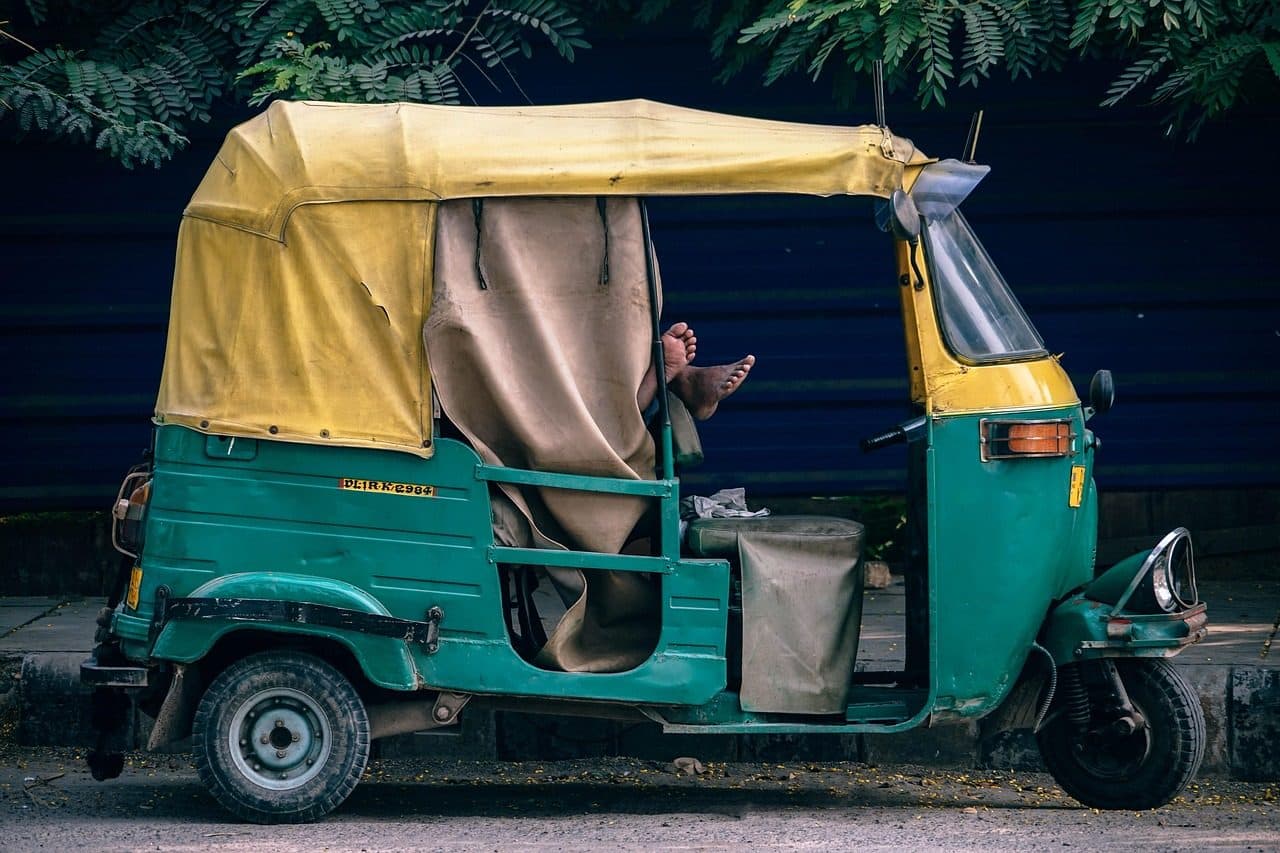
Pakistan launched the scheme in September after the war between the US and Iran pushed up petroleum prices. Motorcycle and rickshaw users receive a petrol token worth 500 rupees weekly. Owners of vehicles with engines up to 800cc get a discount of 100 rupees per litre on up to 10 litres of petrol every 10 days.
The IMF said that if oil prices rise beyond expectations and the government wants to give relief, the support must be limited to specific groups for a limited period. It must also be paid from the approved budget limits for fiscal year 2026-27.
Under the 7 billion dollar Extended Fund Facility programme, Pakistan has committed to keeping petroleum product prices in line with international market rates, the reports said.
The spokesperson warned that the war in the Middle East is a major challenge for Pakistan's economy, which depends on oil and gas imports from Gulf countries. The closure of the Strait of Hormuz and obstacles to global shipping have affected growth prospects of developing countries, and continued price volatility could harm Pakistan's economic future, the spokesperson said.
The Pakistan Bureau of Statistics put annual inflation at 9.6 percent in October, down from 10.3 percent in September. The IMF also urged reforms in state-owned enterprises, better public service delivery and a financially stable energy sector.
Last month the IMF reached a staff-level agreement with Pakistan after talks in Karachi and Islamabad, pending approval by its Executive Board. If approved, Pakistan is expected to receive about 1 billion dollars under the EFF and 210 million dollars under the Resilience and Sustainability Facility, taking total programme payments to about 5.7 billion dollars.
A board meeting on the EFF and RSF reviews and the 2026 Article IV consultation is expected in December, conditional on meeting programme conditions. The spokesperson declined to give details of those conditions.
Background
khabr.pk's records show petrol at Rs330 per litre on 13 November and high-speed diesel at Rs360 on 12 November. khabr.pk reported on 3 November that LPG prices had risen sharply after two Iranian border crossings closed, with rickshaw drivers saying their earnings had fallen by more than half. On 6 November it reported the IMF country head calling for a broader, simpler tax system.
Why it matters for Pakistan
Motorcycle and rickshaw users are the people the scheme covers, through the 500-rupee weekly petrol token and the 100-rupee per litre discount. Ending it would raise their fuel costs. Any new relief would have to be targeted and fit within the 2026-27 budget. The board's approval would release about 1 billion dollars under the EFF and 210 million dollars under the RSF, according to the reports.}
Get khabr.pk news on Facebook and YouTube
Short news videos every day, and the day’s top stories in your feed.