ICJ to rule Thursday on Myanmar genocide case over Rohingya
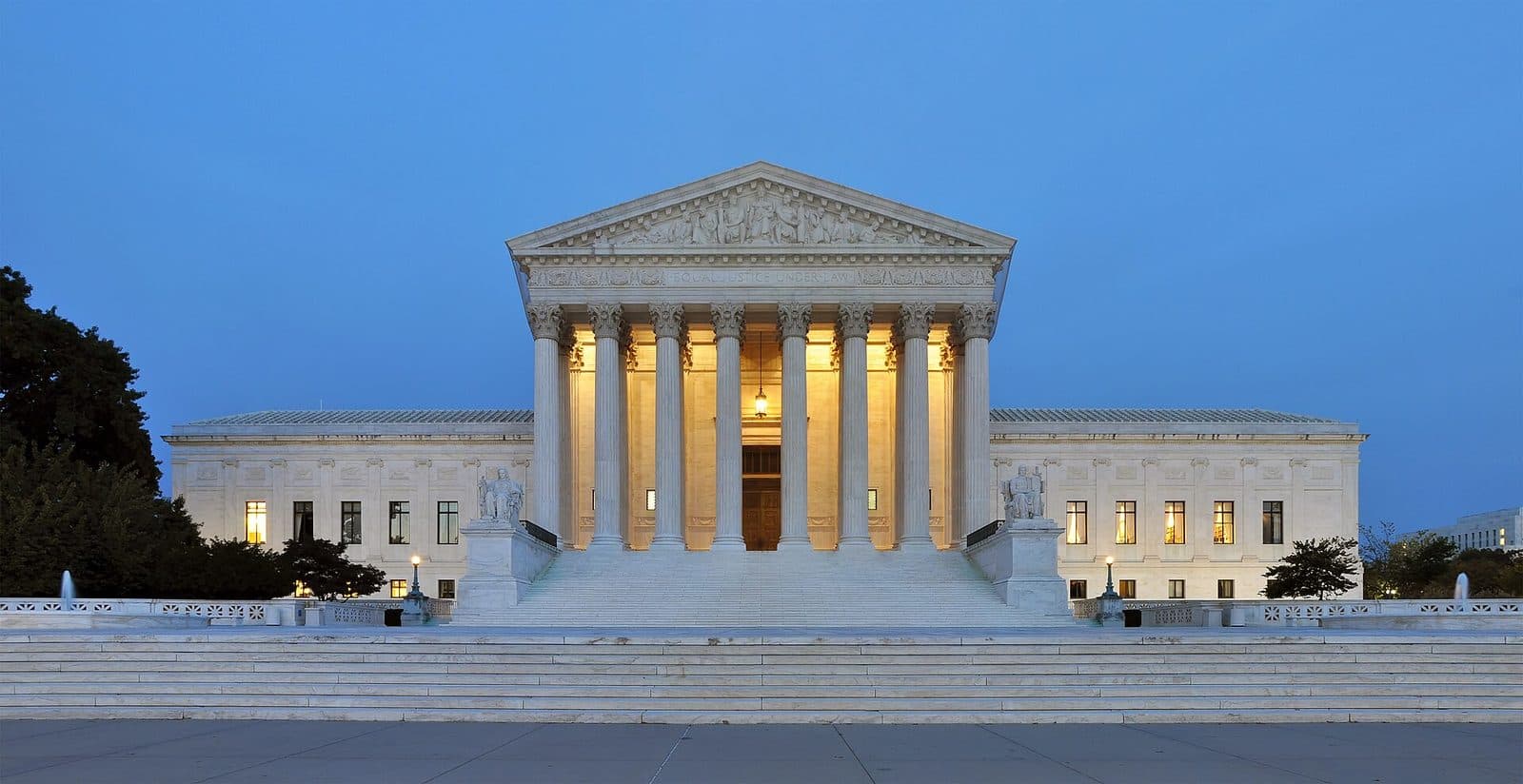
The International Court of Justice will deliver its judgment on Thursday in the genocide case The Gambia brought against Myanmar. The case concerns military operations against the Rohingya Muslim minority that escalated in 2017.
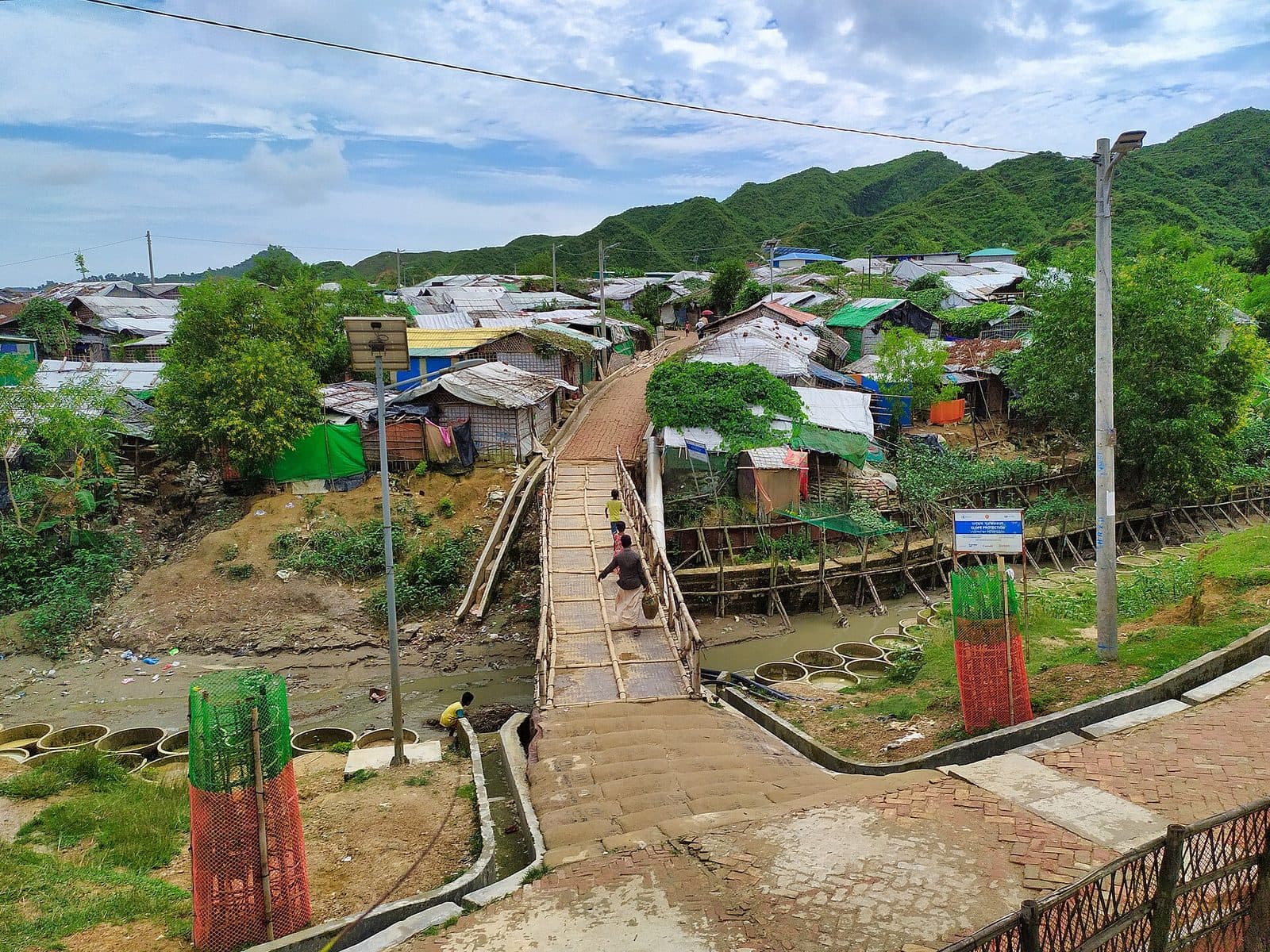
- The ICJ delivers its judgment on Thursday in The Gambia v. Myanmar.
- The Gambia filed the case on 11 November 2019 under the 1948 Genocide Convention.
- More than 1.2 million Rohingya refugees remain in Bangladesh, mostly in Cox's Bazar.
The International Court of Justice, the UN's highest court, will rule on Thursday on whether Myanmar committed genocide against the Rohingya, according to the South China Morning Post and Al Jazeera. The Rohingya are a Muslim minority who were driven en masse from Myanmar by the army in 2017.
The case has been before the court in The Hague for seven years. The Gambia filed it on 11 November 2019 under the 1948 Genocide Convention, a treaty that defines genocide and obliges states to prevent and punish it.
The case alleges that Myanmar's military and security forces violated the convention through acts against the Rohingya. The allegations concern clearance operations that began in 2016 and escalated in August 2017.
Al Jazeera reports that more than 1.2 million Rohingya refugees remain in Bangladesh, most of them in camps in Cox's Bazar. Humanitarian aid to them has declined sharply in recent years, while Myanmar remains in civil war and the military is still in power.
Al Jazeera spoke to refugees ahead of the ruling. Dil Hossain, who fled Rakhine State in 2017 with his wife and newborn daughter, said: "The court will find the truth. We suffered, so we know." He said his elderly parents and several other relatives were killed as the family fled.
Mohammad Zubair, chairman of the Arakan Rohingya Society for Peace and Human Rights, told Al Jazeera: "We witnessed the genocide with our own eyes."
Rohingya activist Nay San Lwin, a cofounder of the Free Rohingya Coalition, said meaningful justice requires guarantees of citizenship, equal rights and recognition of the Rohingya as an ethnic community. In his words: "For us, meaningful justice is not simply a court verdict,"
The Guardian also reported fears over US sanctions on ICJ judges ahead of the ruling.
Why it matters for Pakistan
The Rohingya are a Muslim minority, and the case is closely followed across the Muslim world, including in Pakistan. Pakistan hosts many Rohingya refugees, who have a direct interest in how the court's ruling affects prospects for justice and return.
Get khabr.pk news on Facebook and YouTube
Short news videos every day, and the day’s top stories in your feed.