Flour prices rise Rs10 per kg despite imported wheat arrivals
Retail flour has gone up by Rs10 per kg, with flour No. 2.5 at Rs180 and fine flour at Rs200, Minute Mirror reported. Retailers blame higher mill rates as supplies stay short even after imported wheat arrived.
- Retail flour up Rs10 per kg: No. 2.5 at Rs180, fine flour at Rs200
- More than 100,000 tonnes of imported wheat have arrived since late October
- Industry estimates a wheat deficit of three to four million tonnes
Wheat and flour prices are rising across Pakistan even though imported grain has started arriving, Minute Mirror reported. Domestic supplies are not enough to meet demand, adding to household food costs.
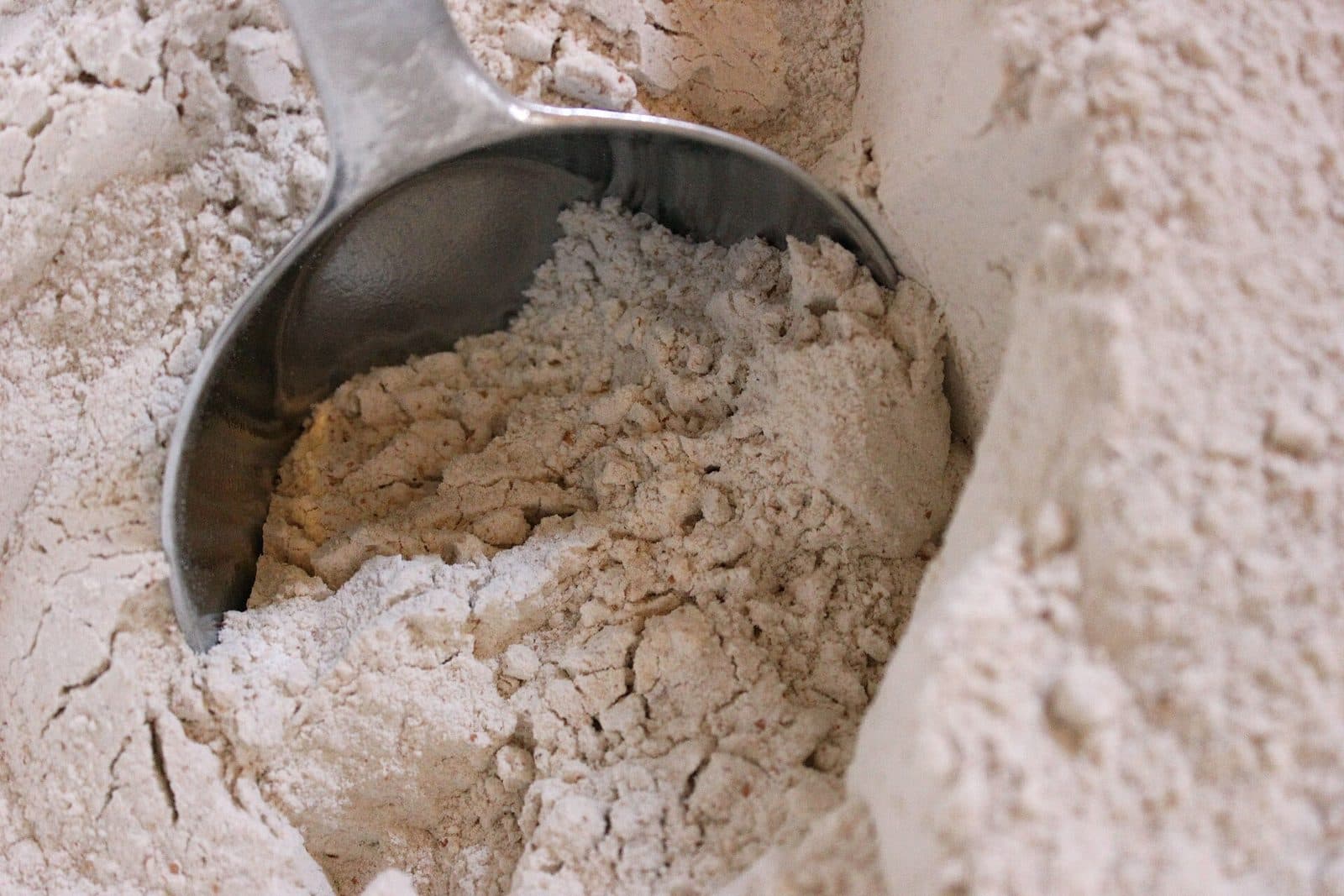
Retail prices of flour have gone up by Rs10 per kg. Flour No. 2.5 now sells for Rs180 per kg and fine flour for Rs200. Retailers said the rise reflects higher rates charged by flour mills. In 50kg bags, millers raised flour No. 2.5, maida and fine flour to Rs8,100, Rs9,000 and Rs9,150, from Rs7,800, Rs8,400 and Rs8,550. High-quality chakki flour sells for around Rs200 per kg wholesale, and retailers charge up to Rs215.
More than 100,000 tonnes of imported wheat have reached Pakistan since the last week of October. The first shipment, of 51,000 tonnes, arrived on 28 October and briefly lowered wheat from Rs140 to Rs130 per kg. Open market wheat returned to Rs140 per kg last week, and millers raised flour rates again. Prices had earlier been cut in expectation of the shipments but began climbing because of limited supplies and weak government monitoring, the report said.
Industry stakeholders estimate a wheat deficit of three to four million tonnes. Muzammil Chappal, chairman of the Cereal Association of Pakistan, said he had repeatedly warned the government of a shortfall of about four million tonnes this season. He said he had pressed since May for private traders to be allowed to import at least two million tonnes, but the idea got no favourable response.
According to the Economic Survey 2025-26, wheat output reached 29.61 million tonnes, up 4.3 per cent from 28.40 million tonnes the year before. Chappal said yearly consumption is 31 to 32 million tonnes, and population growth above three per cent a year is pushing demand up.
Wholesale trader Rauf Ibrahim estimated that at least three million tonnes more wheat is needed to last until the next harvest, expected between March and May 2027. He criticised federal and provincial authorities for not acting effectively against hoarding and illegal stockpiling, and called for inspections of warehouses, markets and flour mills and their wheat stocks. He warned that higher food costs will burden low- and middle-income households.
A flour miller said the shortage also affects Punjab and Khyber Pakhtunkhwa. Flour mills in Karachi alone need around 80,000 bags of 100kg wheat daily. Tandoor owners face higher flour and LPG costs, though bread prices have so far not changed: chapati Rs20, naan Rs30 to Rs35, sheermal and taftaan Rs100 to Rs110, and qulcha Rs90 to Rs100.
Background
khabr.pk reported on 7 November that weekly inflation rose 0.29% in the week ended 5 November, with the annual rate climbing to 12.31% from 11.32%, according to the Pakistan Bureau of Statistics.
Why it matters for Pakistan
Flour is a staple food, so a Rs10 per kg rise at retail is felt in every household kitchen. Low- and middle-income families are most exposed, as wholesale trader Rauf Ibrahim warned. Tandoor owners already face higher flour and LPG costs, although bread prices have not yet changed. With the next harvest expected between March and May 2027, the supply gap described by traders bears directly on what households pay in the months ahead.
Get khabr.pk news on Facebook and YouTube
Short news videos every day, and the day’s top stories in your feed.