Pakistani astronaut Zeeshan Ali recites Iqbal on Tiangong
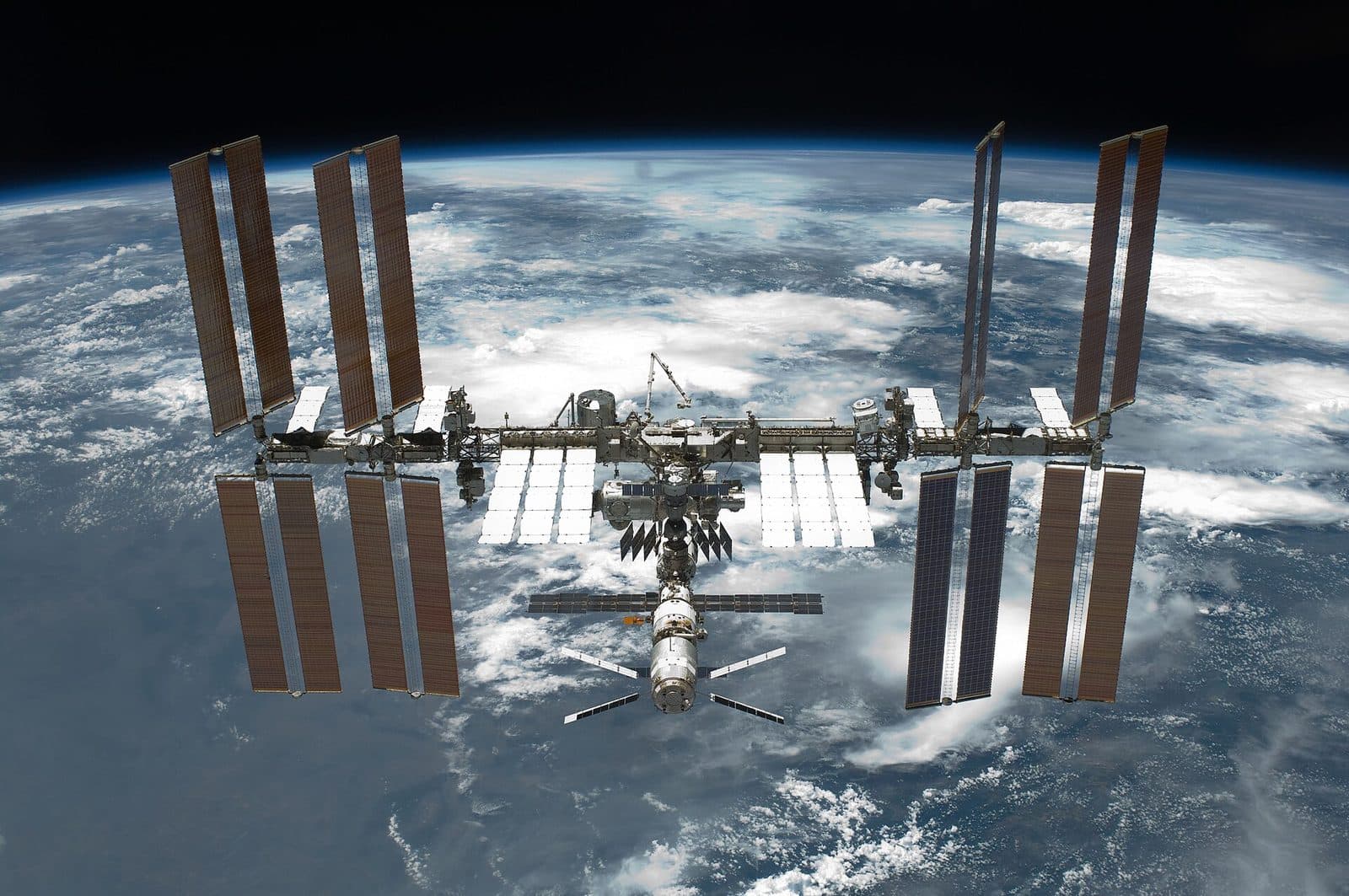
Muhammad Zeeshan Ali, Pakistan's first astronaut, recited a couplet by Muhammad Iqbal aboard China's Tiangong space station on Wednesday. Al Jazeera reported that he explained its meaning in Mandarin to his five Chinese crewmates.
- Zeeshan Ali recited an Iqbal couplet aboard Tiangong on Wednesday, Al Jazeera reported
- He translated its meaning into Mandarin; the crew applauded and hugged him
- Iqbal's verses were also quoted from orbit in 1984 and 1997
Muhammad Zeeshan Ali, Pakistan's first astronaut, recited a couplet by the poet Muhammad Iqbal while aboard China's Tiangong space station on Wednesday, according to Al Jazeera, which is the only outlet to have reported the moment so far.
Ali was surrounded by five Chinese crewmates. After reciting the verse, he rendered its meaning in Mandarin so that they could follow it. Al Jazeera said the crew applauded and hugged him when he finished.
The verse he read translates as: "Countless worlds lie beyond the stars, and countless trials are still ahead", the report said, attributing the words to Ali's recitation.
Al Jazeera noted that this was not the first time Iqbal's poetry had been heard in orbit. In 1984, Rakesh Sharma, the first Indian in space, quoted a line from Iqbal when Indira Gandhi asked him how India looked from above. Sharma's reply, as quoted, was: "Ji, main baghair kisi jhijhak ke keh sakta hoon ke sare jahan se achha".
Sharma flew on the Soviet Soyuz T-11 mission on April 3, 1984, and spent nearly eight days on the Salyut 7 space station.
In 1997, Inder Kumar Gujral, who was born in Jhelum in what is now Pakistan, recited the opening line of the same couplet while speaking with Kalpana Chawla in orbit. Chawla had launched on the US shuttle Columbia on November 19, 1997, and described the view as "a dome of a dark sky and stars everywhere". She died in 2003 with her crewmates when the shuttle broke apart on its return to Earth.
Iqbal was born in Sialkot on November 9, 1877, and died in Lahore on April 21, 1938, nine years before Pakistan was created in 1947. In 1930, at the All-India Muslim League session in Allahabad, he put forward the idea of uniting Punjab, the North-West Frontier Province, Sindh and Balochistan into one self-governing state.
Background
khabr.pk reported on 8 November that a Pakistani astronaut would be the first foreign visitor to Tiangong on the Shenzhou-24 mission. On 25 November it reported that Zeeshan Ali became the first Pakistani in orbit when Shenzhou-24 docked, with a stay of five to 10 days expected.
Why it matters for Pakistan
Zeeshan Ali is the first Pakistani to travel to space, and readers in Pakistan have followed the mission closely. His choice of Iqbal, Pakistan's national poet, linked the flight to a poet whose verses were also quoted from orbit by an Indian astronaut in 1984. The moment also showed a Pakistani astronaut sharing his language and culture with a Chinese crew on the first visit by a foreigner to Tiangong.
Get khabr.pk news on Facebook and YouTube
Short news videos every day, and the day’s top stories in your feed.