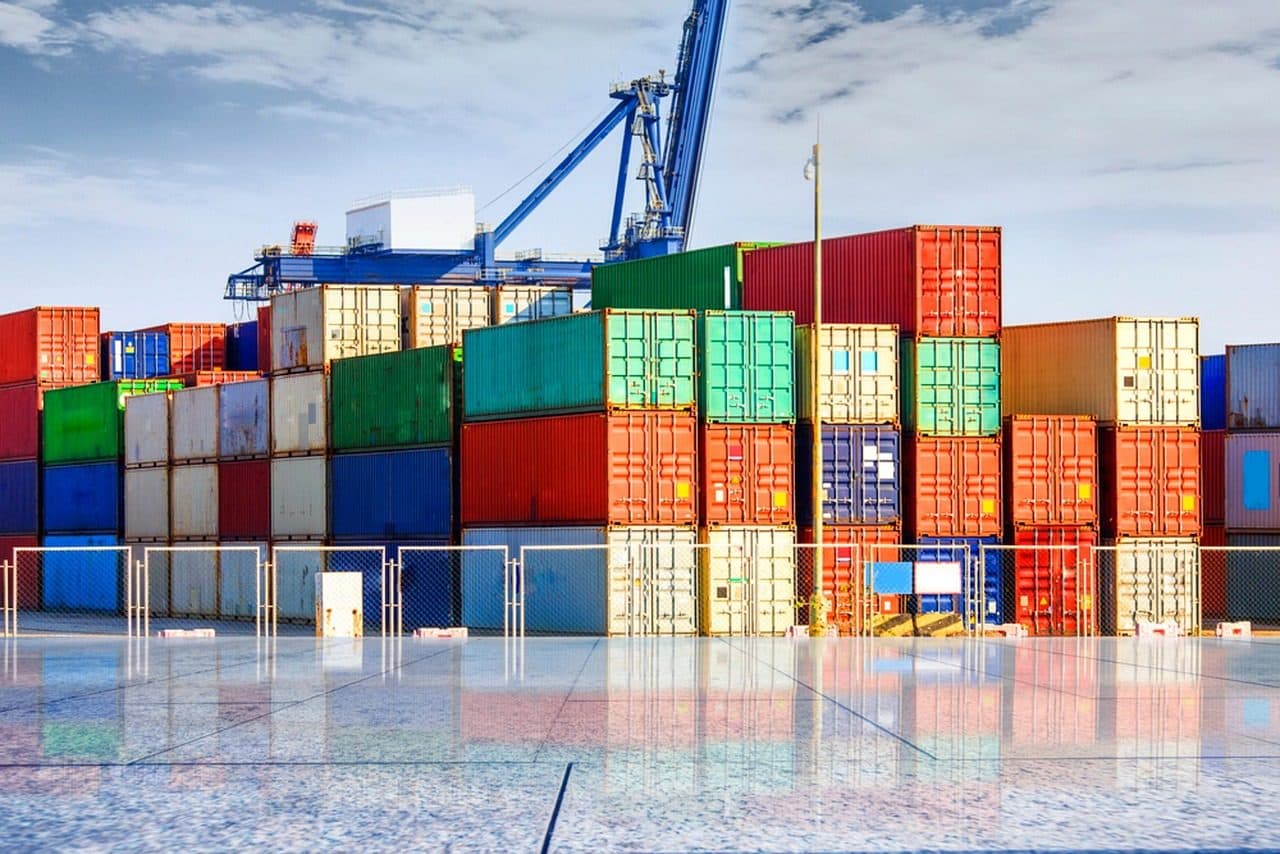
World Bank projects 23% rise in global commodity prices in 2026
The World Bank expects global commodity prices to rise 23% in 2026, citing the Middle East conflict, Black Sea shipping disruptions and weather shocks. Energy prices are forecast to jump 32%, with Brent crude averaging $91 per barrel.
For information only, not investment advice. Prices change quickly: check the time and source of every figure.
- World Bank forecasts a 23% rise in global commodity prices in 2026
- Energy prices projected to rise 32%; Brent crude to average $91 per barrel
- Food prices forecast to rise about 10% in 2026
- Overall prices expected to fall 7% in 2027
The World Bank has projected that global commodity prices will rise 23% in 2026, which would be their second-highest level since 2013. In its October 2026 Commodity Markets Outlook, the bank named the Middle East conflict, Black Sea shipping disruptions and weather shocks as the causes.
Energy prices are forecast to rise 32% in 2026 and then fall 11.5% in 2027. The bank revised its energy price forecasts up by 7% for 2026 and 14% for 2027 compared with its April projections. Gulf News noted that the rise would reverse three consecutive years of declines.
Brent crude is expected to average $91 per barrel in 2026, up from $69 in 2025, before easing to $79 in 2027 and $70 in 2028. Global oil supply is expected to drop by 5.5 million barrels per day, or 5.2%, in 2026, the largest decline in over four decades outside the 2020 pandemic recession. Oil consumption is projected to fall 2.5%, or 2.6 million barrels per day. Production is expected to stay below consumption, requiring further inventory withdrawals, according to Gulf News.
European natural gas prices are forecast to rise 58.3% in 2026 to $19 per million British thermal units, before easing 7.9% in 2027.
Food commodity prices are projected to rise 10.3% in 2026 and 7.2% in 2027. Grain prices are expected to rise 14.1% in 2026, with wheat up 28%. Fertilizer prices are forecast to rise 14.3% in 2026 and fall 12.4% in 2027. Beverage prices are expected to fall 23.9% in 2026 as coffee and cocoa production recovers.
The metals and minerals price index is projected to reach an all-time high in 2026, rising 24.5%. Copper is forecast to average $13,200 per metric ton, up 32.7%. Precious metals are expected to rise 39.9%, with gold averaging a record $4,600 per troy ounce and silver rising 75.9% to $70 per ounce.
For 2027, the bank's baseline sees overall commodity prices falling 7%, and a further 8.8% in 2028. In an adverse scenario, Brent crude could average $105 per barrel in 2027 and food commodity prices would exceed the baseline by 12%. The bank said food insecurity affected 779 million people worldwide in 2025.
The World Bank Group has made $50 billion to $60 billion available to help countries cope with the fiscal and economic effects of the conflict. Of that, $8.7 billion has already been disbursed to 25 countries.
Why it matters
Higher oil and energy prices would raise fuel, power and import costs for Pakistan. The forecast also covers wheat, fertilizer and other commodities.