Vulcan rocket fails, 40 Amazon Leo satellites lost
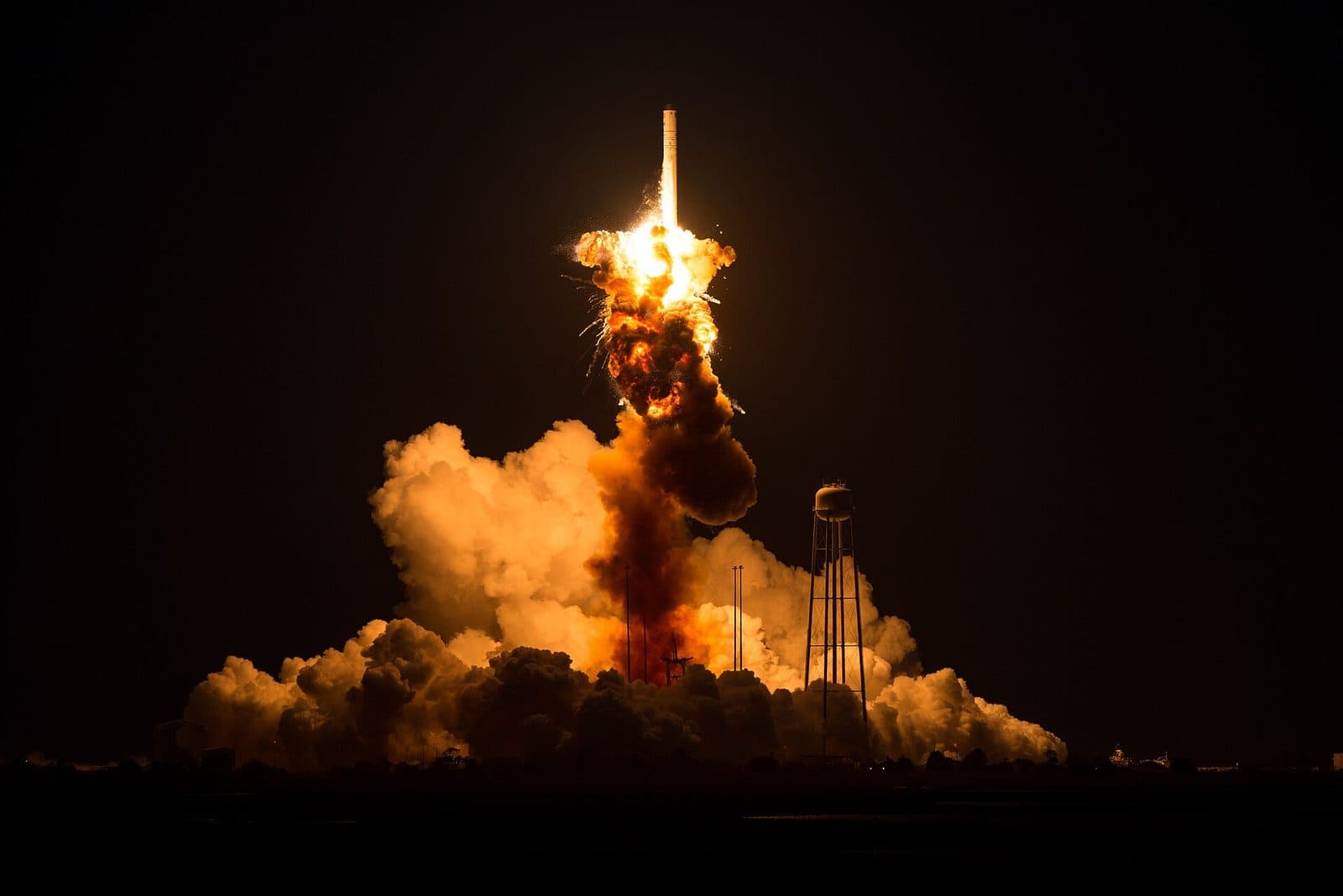
All 40 Amazon Leo satellites were lost when a ULA Vulcan rocket suffered an anomaly about 10 minutes after liftoff from Florida on Sunday. It was reportedly the first total mission failure in United Launch Alliance's 20-year history.
- ULA's Vulcan failed to reach orbit with 40 Amazon Leo satellites
- The anomaly came about 10 minutes after liftoff; the cause is unclear
- Amazon had launched 398 Leo satellites before this mission
A Vulcan rocket operated by United Launch Alliance (ULA) failed to deliver 40 Amazon Leo satellites to orbit on Sunday, 15 November. The Verge, Ars Technica and DW reported that it was the first total mission failure in the company's 20-year history.
In a statement, ULA said: "Based on data received by our Launch Director, we confirm that the Vulcan vehicle launched from Space Launch Complex 41 suffered an anomaly 10 minutes into the flight and failed to deliver the Amazon mission to orbit." DW reported that the rocket lifted off from Cape Canaveral Space Force Station and that all 40 satellites were lost.
The cause is not yet clear. ULA said: "Every flight generates data, and every flight teaches us something. Since the anomaly just occurred, we don't have any specific data yet to understand what occurred today." The company has pledged transparency during its investigation, The Verge reported.
DW reported that the investigation is expected to be lengthy and could ground Vulcan for months. It remains unclear whether the BE-4 engines, supplied by Blue Origin, played any role. Earlier problems with those engines were traced to a main oxygen valve, and ULA officials said modifications were retrofitted.
The flight was Vulcan's fifth since its 2024 debut and its first in nine months. Its previous two flights had anomalies involving solid rocket boosters, including a February 2026 US Space Force mission, but both delivered their payloads. The Space Force has paused Vulcan's national security launches pending an investigation, and this mission was expected to provide data before the military decided on clearing it.
The launch was meant to be the first of 38 flights Amazon bought from ULA. Amazon said: "There is risk with any launch, and that's especially true for inaugural missions like LV-01. ULA has been a trusted partner for Amazon, and we believe they'll learn from this mission and deliver on their long-term plans for Vulcan."
According to Reuters, as cited by DW, Amazon had launched 398 Leo satellites across 14 missions since 2025, about 12% of the 3,236 it needs for global coverage. Amazon had hoped to begin initial internet services this year. SpaceX's Starlink has more than 11,000 satellites and can use its own rockets, which rivals cannot. DW also noted that SpaceX is no longer accepting Falcon 9 bookings.
Background
khabr.pk reported on 15 November that SpaceX's Starship upper stage was caught by tower arms in Texas, though its booster exploded after launch. That story concerned SpaceX, whose Starlink is the rival Amazon Leo is trying to challenge.
Why it matters for Pakistan
The failure delays Amazon Leo, a would-be rival to Starlink in satellite internet, as reported by DW. Readers in Pakistan who follow satellite broadband and space technology can see how launch capacity limits such networks. DW noted that US companies could face reduced launch capacity, with Falcon 9 bookings closed and other rocket setbacks.
Get khabr.pk news on Facebook and YouTube
Short news videos every day, and the day’s top stories in your feed.