US forms Task Force Iron Gate to curb Iran's land and Caspian routes
The US Central Command has set up a task force to stop Iran moving advanced weapons and sanctioned goods over land borders and the Caspian Sea. It extends a months-long naval blockade of Iranian ports.
- CENTCOM formed Task Force Iron Gate, based in Tampa, Florida, with about 20 civilian and military staff.
- It targets weapons, dual-use technology and sanctioned materials moving across Iran's land borders and the Caspian Sea.
- CENTCOM says it has redirected 147 vessels since July and disabled five that refused to comply.
The US military has set up a new task force to prevent Iran from using land routes and the Caspian Sea to move advanced weapons and restricted materials. US Central Command (CENTCOM) announced the move on Saturday, expanding a naval blockade of Iranian ports that has lasted for months.
According to Gulf News, CENTCOM chief Admiral Brad Cooper ordered the formation of Task Force Iron Gate. It is a team of around 20 civilian and military personnel based in Tampa, Florida, and will work with other US government agencies.
The task force will aim to restrict the movement of advanced weapons, dual-use technology, sanctioned materials and illegal revenue across Iran's land borders and the Caspian Sea. Cooper said the initiative would strengthen Washington's efforts to limit Iran's military supplies and funding.
Cooper said: "Strengthening CENTCOM's collaboration with US interagency partners will further constrain Iran's ability to finance terrorism, rebuild weapons factories, and replenish their military." Gulf News reported that the naval blockade has kept Iran from exporting more than $25 billion in crude oil in recent months, and that enforcement at sea continues against all ships entering or leaving Iranian ports.
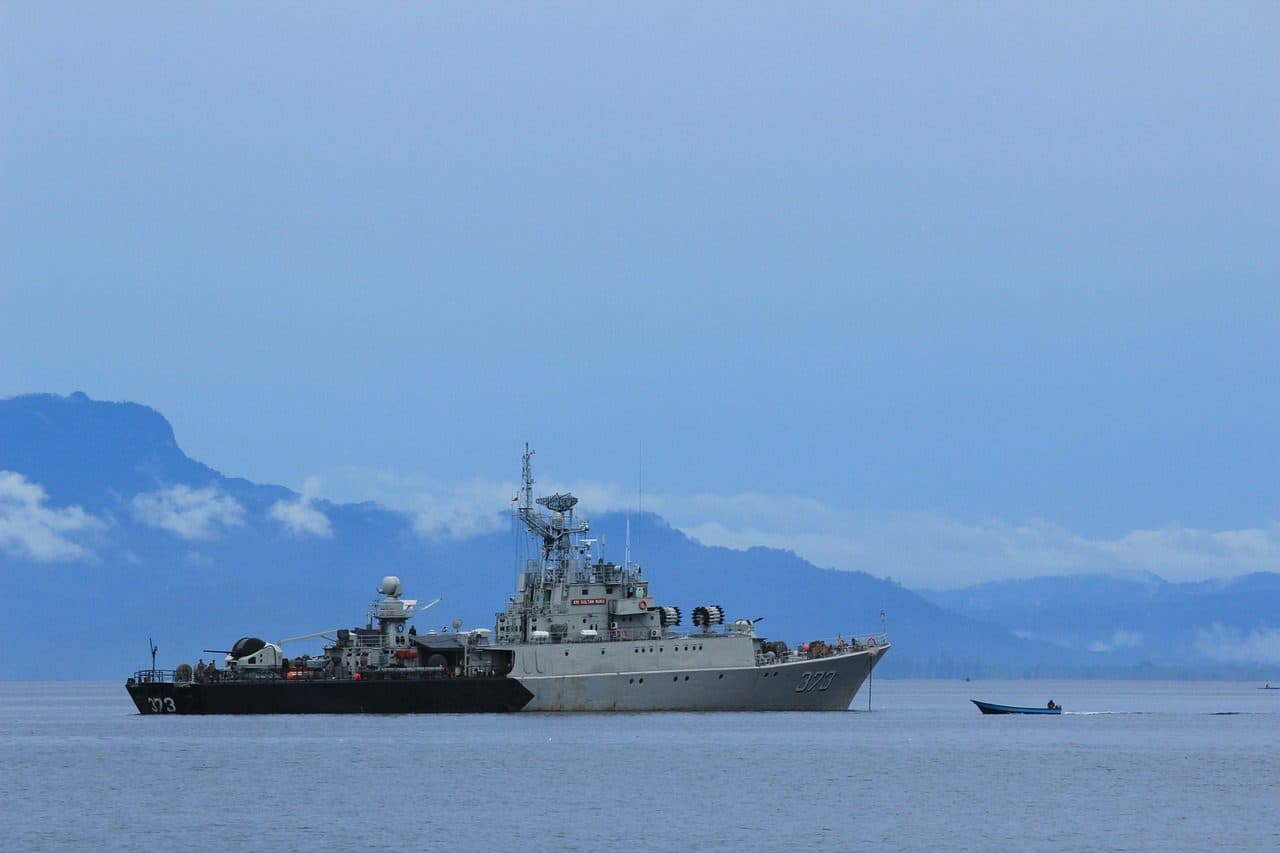
On the same day CENTCOM said it disabled a St. Kitts-flagged commercial cargo vessel, the M/V Huda, in the Gulf of Oman as part of the blockade. It said it did so after forces directed the crew to abandon targeted spaces. CENTCOM said US forces had redirected 147 commercial vessels that complied with enforcement actions since July, and had disabled five merchant ships that refused.
Al Jazeera reported that Iran's state news agency IRNA described the sound of explosions on Qeshm Island and in Jask, Sirik and Bandar Abbas on Saturday. President Donald Trump confirmed new strikes on Qeshm Island a day earlier and called them minor. He said Tehran still wants a deal as Qatari-mediated talks continue.
Iran's IRGC Navy said two oil tankers struck mines near the Strait of Hormuz on Saturday. Iranian state television, citing the navy, said the tankers had passed through an unsafe part of the strait with navigation systems off and were severely damaged.
Background
khabr.pk reported on 8 November that the US military disabled the cargo ship M/V Huda in the Gulf of Oman after it tried to breach the blockade, and that CENTCOM announced a new task force for Iran's land and Caspian Sea routes.
Why it matters for Pakistan
Pakistan depends on Gulf shipping and oil supplies, so tension around the Strait of Hormuz and the Gulf of Oman is closely watched. khabr.pk recorded petrol at Rs346 per litre and high-speed diesel at Rs378 per litre on 7 November. The reports do not say how the task force will affect Pakistan directly.