US orders non-emergency staff to leave Saudi Arabia amid Houthi attacks
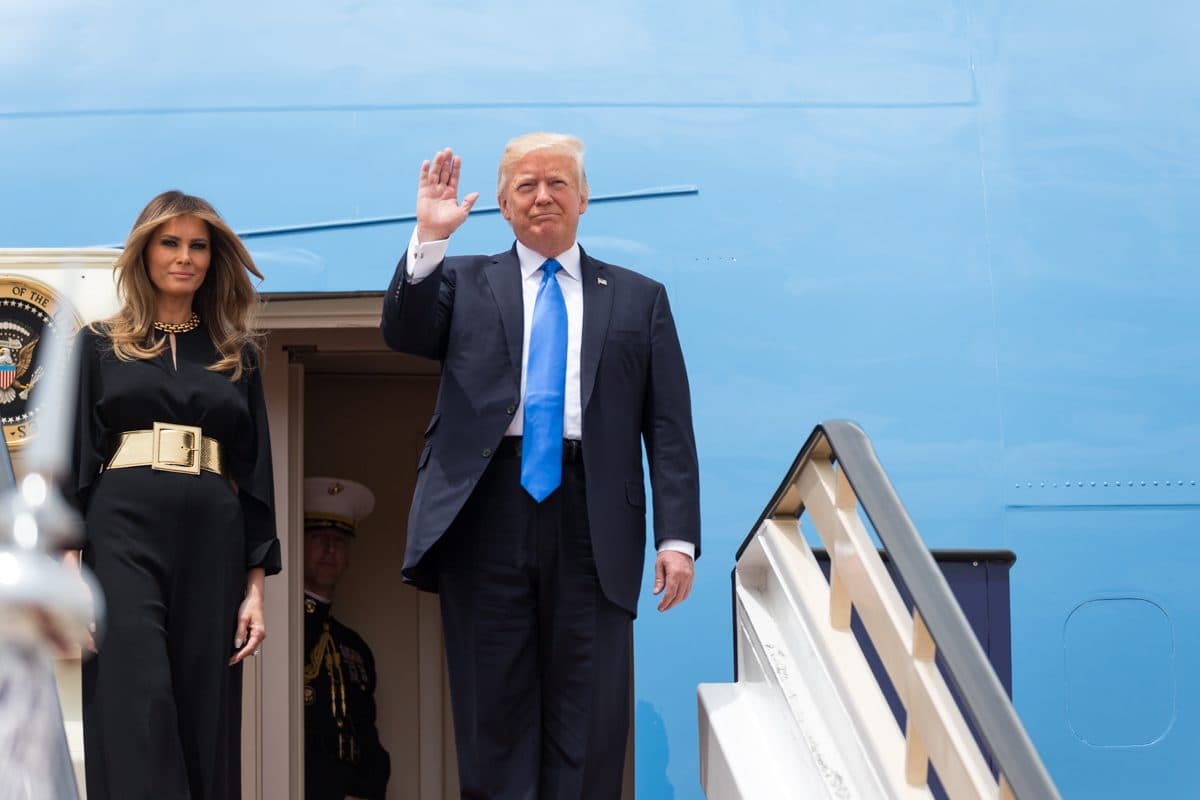
The US State Department has ordered non-emergency government employees and their families to leave Saudi Arabia, effective October 23. The US Mission warned of possible attacks on airports and flight disruptions.
- US non-emergency government staff and families ordered out of Saudi Arabia, effective October 23
- US Mission warns of possible airport attacks, airspace closures and flight disruptions
- Riyadh airport partially reopened; Jeddah and Dammam airports operating with delays
The US State Department has ordered non-emergency government employees and their family members to leave Saudi Arabia, the US Embassy said on Friday, October 30, 2026. The order took effect on October 23 and cites safety risks.
The US Mission to Saudi Arabia issued a countrywide security alert warning American citizens of possible attacks on airports, airspace closures and flight disruptions. It said attacks by Iranian-supported Houthis on civilian airports and critical infrastructure had caused civilian casualties and severe travel disruption, and warned that hostilities could escalate rapidly beyond the areas currently affected.
On airports, the mission said King Khalid International Airport in Riyadh partially reopened on October 23 for domestic flights and some international services run by Saudi national carriers. Some flights normally based in Riyadh are operating from Prince Naif bin Abdulaziz International Airport in Qassim. Airports in Jeddah and Dammam remain operational, with some delays and cancellations. Airports in Bahrain, Jordan, Oman, Qatar and the UAE were reported to be operational.
US government employees need special authorisation from the Chief of Mission to use any airport in the Kingdom. They are barred from travelling within 20 miles of the Yemen border, and need authorisation to go to Jizan, Asir and Najran provinces, as well as Qatif, Yanbu and Taif.
All Saudi land border crossings, including the King Fahd Causeway linking Saudi Arabia and Bahrain, remain operational, the mission said. Highways and roads in and around Riyadh, Jeddah and Dhahran are operating. It listed Saudi Arabia Railways, SAT Transportation and SAPTCO as transport options.
According to Anadolu Agency, the Saudi-led coalition said on Thursday its air defences intercepted and destroyed two ballistic missiles launched by the Houthis toward Riyadh. On Friday it reported intercepting a Houthi cruise missile targeting western Saudi Arabia and a drone in the Riyadh region. The Houthis have claimed attacks on Saudi oil facilities and airports in recent days.
The US Mission also noted that Saudi Arabia's Ministry of Interior warns against filming, publishing or sharing information about missile and drone interceptions or their impact sites. It said American citizens had been detained for violating these rules, including by photographing government buildings, airports and impact sites. Emergency consular services remain available through the US Embassy in Riyadh and the consulates in Jeddah and Dhahran.
The Saudi-led coalition intervened in Yemen in March 2015 to support the internationally recognised government against the Houthis, who have controlled the capital Sanaa since September 2014.
Why it matters
Many Pakistanis work in Saudi Arabia, and disruption at its airports and instability in the Gulf can affect their travel, jobs and remittances to Pakistan.