US military says it helped Gulf states export 1.5bn barrels of oil via Hormuz
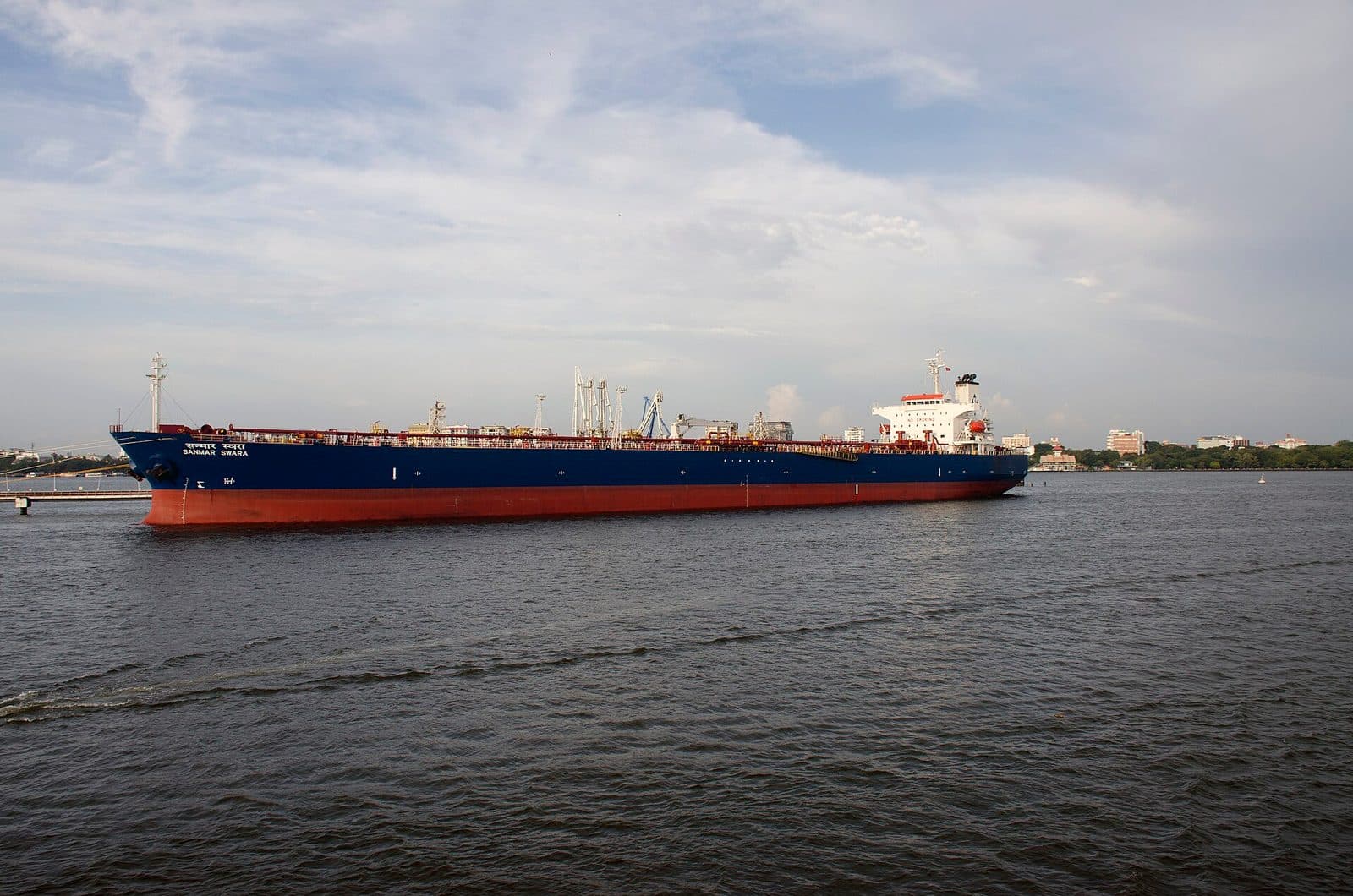
US Central Command says it has helped Gulf countries export more than 1.5 billion barrels of oil since June. It says over 3,000 commercial vessels passed through the Strait of Hormuz with its support.
- CENTCOM says it helped Gulf states export over 1.5 billion barrels of oil since June
- More than 3,000 commercial vessels transited Hormuz with US support in six months
- Brent crude was about $114.50 a barrel on Sunday, against $72.48 on February 27
US Central Command (CENTCOM) said on Sunday that US forces had helped Gulf countries export more than 1.5 billion barrels of oil since June, despite what it described as Iranian efforts to control the Strait of Hormuz.
The command said more than 3,000 commercial vessels had passed through the strait with its support over the past six months. It added that more than 95 percent of ships navigating the channel in recent months had done so safely despite Iranian threats. In its words, this showed that the United States and regional partners control the international waterway.
CENTCOM released the figures during a visit to the region by its commander, Admiral Brad Cooper. He observed the current operational environment in the strait while flying over it in a US Army helicopter, according to the command.
In a statement, Cooper said the United States continues to stand shoulder to shoulder with its Gulf partners and the shipping industry. He said the visit underscored a commitment to freedom of navigation through the strait.
Cooper also said the main transit routes were free of Iranian mines because of the work of personnel carrying out mine clearance. He said the command remains focused on keeping commercial traffic flowing, working with the US interagency, the Gulf Cooperation Council and the shipping industry.
Oil flows have largely recovered to levels seen before the US and Israel launched their war on Iran in late February, despite the continuing threat of attacks on commercial vessels by Iranian forces. According to market intelligence firm Kpler, at least 16.5 million barrels per day left the region in September, equal to the pre-war average and excluding Iran.
Analysts have linked the recovery to offshore ship-to-ship transfers, US military escorts and wider use of oil pipelines.
Prices remain well above pre-war levels. Brent crude futures were at about $114.50 a barrel on Sunday, after easing about 2 percent from last week's near six-month high. Brent had settled at $72.48 a barrel on February 27, the day before the US and Israel began strikes on Iran.
Why it matters
Gulf oil moving through the Strait of Hormuz affects the fuel prices and supplies Pakistan depends on. Brent crude remains far above its pre-war level, according to the reported figures.