UK sanctions Yemen's Houthis and four leaders over Saudi attacks
The UK has frozen assets and imposed travel bans on the Houthi group and four of its senior figures. London accused them of renewed aggression in Yemen and attacks on civilian infrastructure in Saudi Arabia.
- UK sanctions freeze assets and impose travel bans on the Houthis and four leaders
- London cites attacks on Saudi infrastructure and shipping in the Bab al-Mandeb strait
- An analyst says the practical impact will probably be limited
The United Kingdom has imposed sanctions on Yemen's Iran-backed Houthi group and four of its senior leaders, Al Jazeera reported. The UK announced the measures on Tuesday.
The sanctions freeze assets and impose travel bans on the group and its leaders. Those named include Interior Minister Abdulkarim Amir al-Din Hussein al-Houthi and Security and Intelligence chief Abdul Hakim Hashem Ali al-Khaiwani. Chief prosecutor Sarim al-Din Mufadal, who is accused of sexual violence including rape and torture, also faces an asset freeze and travel ban.
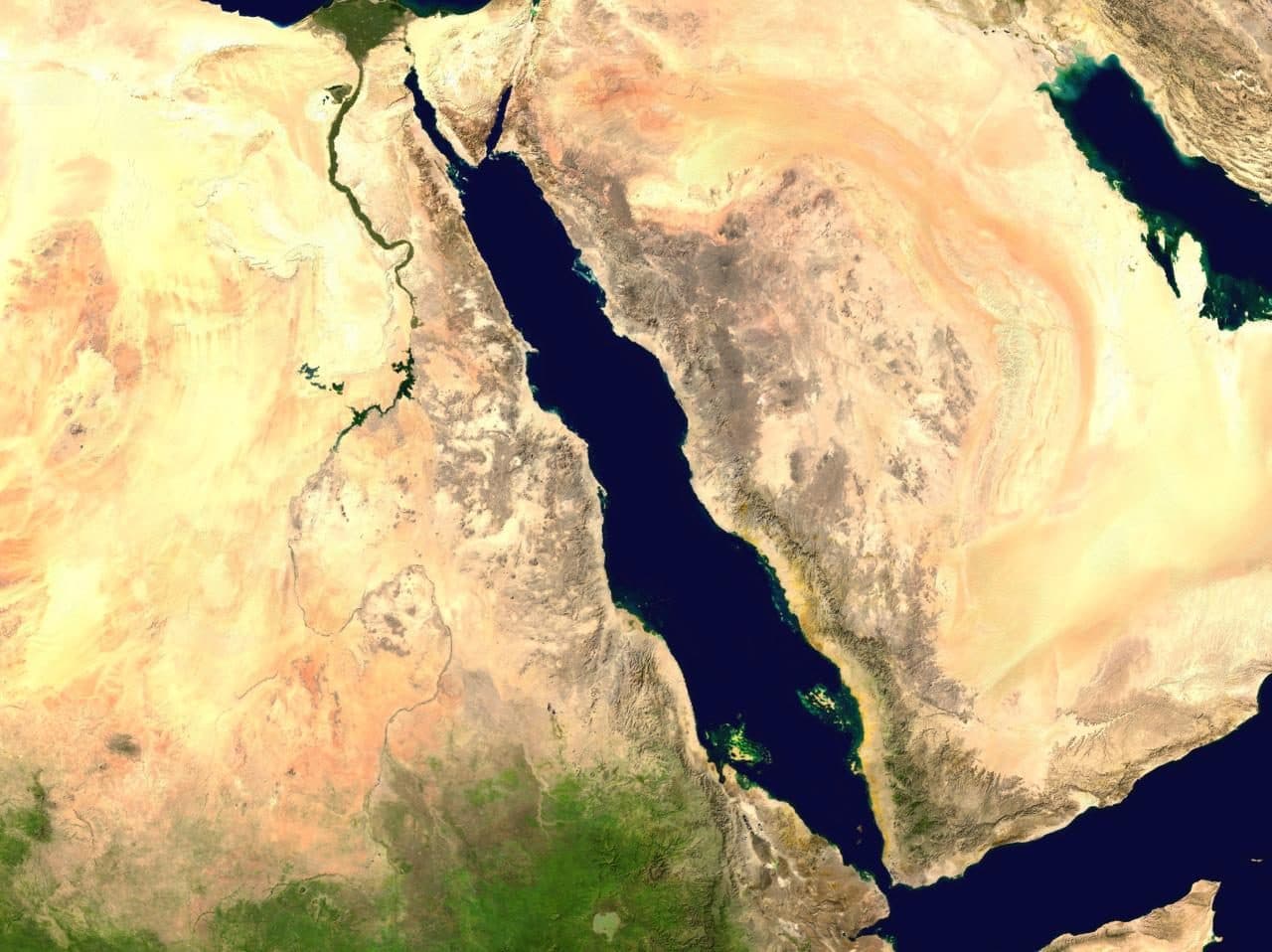
London accused the Houthis of renewed aggression inside Yemen and attacks on civilian infrastructure in Saudi Arabia, and linked the move to attacks on shipping in the Bab al-Mandeb strait. UK Foreign Secretary Ed Miliband said: "The Houthis’ renewed aggression targeting our partners and innocent civilians is unacceptable, and they must be held to account." He added: "Today’s measures send a clear message to the Houthis – we will always act in support of British values and interests."
The Houthis have escalated attacks on Saudi Arabia, targeting the financial district in Riyadh this week. They have also hit oil installations and a major pipeline in the kingdom. Fighting has intensified since July, when a 2022 UN-brokered ceasefire collapsed, and the Houthis have since captured the Red Sea port of Mocha and the island of Mayyun.
The war began after the Houthis captured Sanaa in late 2014, forcing President Abd Rabbu Mansour Hadi to flee. Saudi Arabia then intervened in support of his government.
The UK step came nearly a month after it decided to deploy fighter jets to defend Saudi Arabia. Britain has naval and logistics bases in Bahrain and Oman and agreed a free trade deal with the six Gulf Cooperation Council states in May. Thomas Juneau of Chatham House said the sanctions came during a diplomatic push by Riyadh.
This is not Britain's first action against the group. In January 2024 the UK and the United States jointly sanctioned four Houthi figures, including the defence minister and naval commander, and the UK joined US air strikes on Houthi positions. The Houthis are already under a UN arms embargo, and this month the UN Security Council renewed its Yemen sanctions regime until November 2027 through a UK-led resolution.
Ahmed Nagi of the International Crisis Group called the move largely symbolic. He said: "The four Houthi leaders targeted by the sanctions are unlikely to travel to the UK or hold assets there, so the practical impact will probably be limited."
Background
khabr.pk has reported on the wider regional confrontation, including Iran's attack on US bases in Bahrain on 22 November and reports of mines hitting tankers near the Strait of Hormuz on 25 November.
Why it matters for Pakistan
Many Pakistanis work in Saudi Arabia and other Gulf states, so attacks on Saudi infrastructure, including a Riyadh financial district and an oil pipeline, concern their families at home. Fuel prices are also in focus: khabr.pk recorded petrol at Rs314 per litre and diesel at Rs348 on 25 November. Pakistan's economy is exposed to developments around Gulf shipping and oil installations.
Get khabr.pk news on Facebook and YouTube
Short news videos every day, and the day’s top stories in your feed.