UK, Pakistan geological surveys draft mineral cooperation MoU
The Geological Survey of Pakistan and the British Geological Survey have drafted an MoU on mapping, research and data sharing. The British High Commission in Islamabad announced it on Tuesday, and it still needs final institutional clearance.
For information only, not investment advice. Prices change quickly: check the time and source of every figure.
- The two surveys drafted an MoU on geological mapping, research and data.
- The draft is subject to final institutional approval.
- Mining contributes less than 2% of Pakistan's GDP.
The Geological Survey of Pakistan (GSP) and the British Geological Survey (BGS) have drafted a Memorandum of Understanding to cooperate on geological mapping, research and data, the British High Commission in Islamabad said in a press release on Tuesday. The Express Tribune and Minute Mirror reported the announcement.
The agreement is in draft form and remains subject to final institutional clearance. It is meant to set up a framework for long-term collaboration. The press release described the aim as "the aim to give Pakistan stronger evidence and skills for more responsible and transparent mineral development".
British High Commissioner Jane Marriott highlighted the plan at the Pakistan Minerals Investment Forum, held at the Jinnah Convention Centre in Islamabad on November 13. She said: "Pakistan has extraordinary mineral potential."
Marriott added that "turning that potential into sustainable jobs for the local community, exports, and investment requires credible geological data, strong institutions, and responsible, environmentally sustainable and transparent supply chains."
According to the reports, the proposed partnership would cover knowledge sharing, technical training, geological mapping and research. It would also focus on critical minerals and environmental sustainability.
The UK has already backed technical training for GSP staff through its Revenue Mobilisation, Investment and Trade Programme (REMIT). REMIT funded a 16-week capacity-building programme for the GSP, delivered by IGS.
The programme taught GSP employees digital geological surveying, geochemical sampling, airborne geophysics, GIS mapping software and spectral remote sensing. REMIT is designed to strengthen revenue collection, improve the business and investment climate, ease trade and exports, and support reforms to attract private investment.
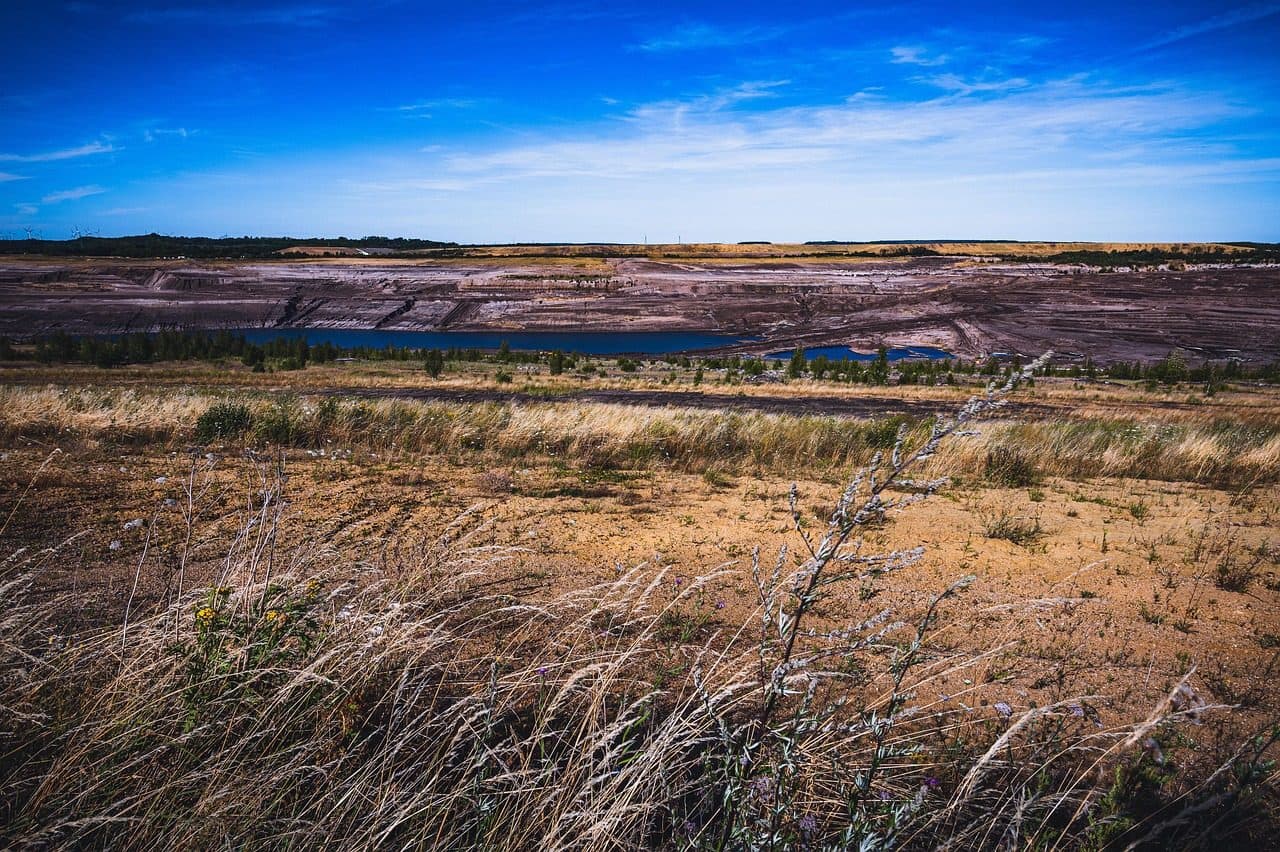
Pakistan's mining sector has significant deposits of copper, gold, coal, chromite, salt and industrial minerals. Mining accounts for less than 2% of the country's GDP.
Background
khabr.pk reported on 12 November that the two-day Pakistan Minerals Investment Forum 2026 began in Islamabad, aiming to link global investors and mining companies with Pakistan's mineral sector. The British High Commissioner spoke at that forum.
Why it matters for Pakistan
Mining contributes less than 2% of Pakistan's GDP despite deposits of copper, gold, coal, chromite and salt. The draft agreement targets better geological data and training, which Marriott said are needed to turn mineral potential into jobs, exports and investment. Communities near mineral areas and companies weighing investment are among those who could be affected once the MoU is cleared.
Get khabr.pk news on Facebook and YouTube
Short news videos every day, and the day’s top stories in your feed.