Pakistan rejects Afghan Taliban remarks on resolving tensions, cites terrorism
Pakistan's information ministry rejected remarks by Taliban spokesperson Zabihullah Mujahid on resolving bilateral tensions. It said terrorism from Afghan soil is the main obstacle to normal relations.
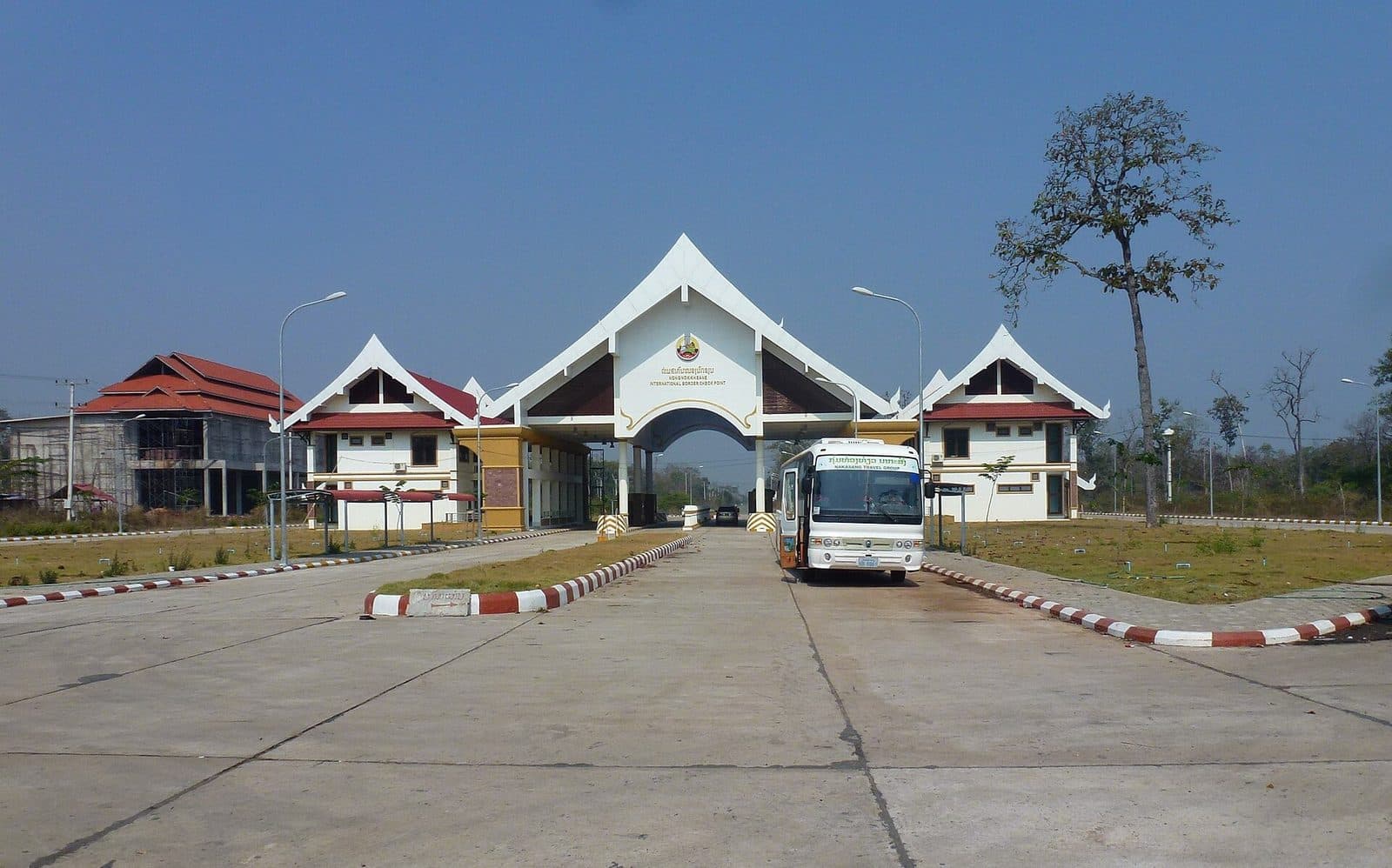
- Pakistan rejected Zabihullah Mujahid's remarks in a statement issued on Saturday.
- The ministry said terrorism from Afghan soil is the main obstacle to normal ties.
- Pakistani authorities say attacks from Afghan territory killed 1,327 Pakistanis in 2026.
Pakistan has rejected remarks by Afghan Taliban spokesperson Zabihullah Mujahid on efforts to resolve tensions between Islamabad and Kabul. The Ministry of Information and Broadcasting issued a statement on X on Saturday, calling his approach deeply misguided.
The ministry said the continued presence of militant groups and their use of Afghan soil for attacks is the biggest obstacle to restoring normal relations. It urged the Taliban leadership to take concrete action against such groups operating from Afghanistan.
According to the ministry, "terrorism is a red line and the security of its citizens is non-negotiable". It also said, "Kabul must recognise that the responsibility for addressing these threats rests squarely with the Afghan Taliban regime". It added: "Pakistan's security will not be held hostage to Afghan Taliban's inaction, evasions or misplaced priorities".
Pakistan said it reserves the right to take all necessary measures under international law to eliminate threats to its national security. The government also rejected what it called repeated blame-shifting and unfulfilled assurances from Kabul.
Mujahid told Radio Azadi that Afghanistan had made final efforts through talks, which produced no results. He confirmed that messages were exchanged between Kabul and Islamabad and that efforts by mediating countries had not significantly reduced tensions.
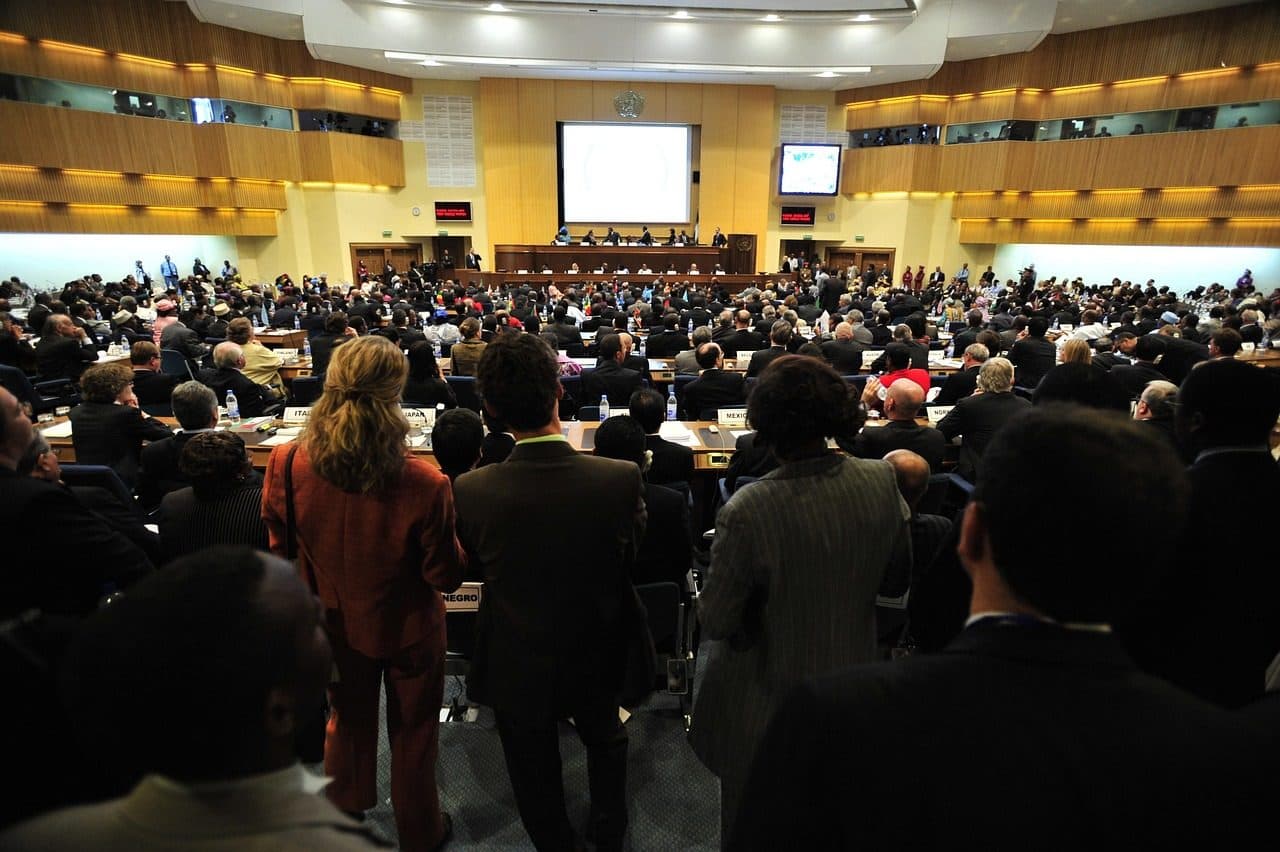
A day earlier, Pakistan urged the Afghan Taliban to act decisively against terrorist groups. Counsellor Muhammad Jawad Ajmal of Pakistan's UN mission raised the issue at a UN General Assembly Third Committee dialogue with the UN special rapporteur on Afghanistan. He named the TTP, Balochistan Liberation Army, Majeed Brigade, Islamic State in Khorasan Province and East Turkestan Islamic Movement.
Pakistani authorities say terrorism from Afghan territory killed 1,327 Pakistanis and injured 2,484 in 2026. Security officials estimate up to 70 per cent of Fitna al-Khawarij militants entering Pakistan were of Afghan origin, and claim leftover US and NATO weapons reached militant groups.
Pakistan maintains Kabul must take verifiable steps to dismantle militant sanctuaries, end training facilities and stop armed groups crossing into Pakistan.
Why it matters
Militancy linked to Afghanistan affects security and lives across Pakistan, and the dispute shapes relations with its neighbour.