Pakistan imports 4.5 GW of batteries in six months, raising grid cost concerns
Pakistan imported about 4.5 gigawatts of battery storage equipment in the first six months of 2026. Speakers at a parliamentary forum warned that wealthier users leaving the grid could shift costs to other consumers.
For information only, not investment advice. Prices change quickly: check the time and source of every figure.
- About 4.5 GW of battery storage equipment was imported in the first six months of 2026.
- Cumulative battery imports are around 9.5 GW.
- The Power Division is preparing storage projects, with tenders for four pilot projects expected within about 15 days.
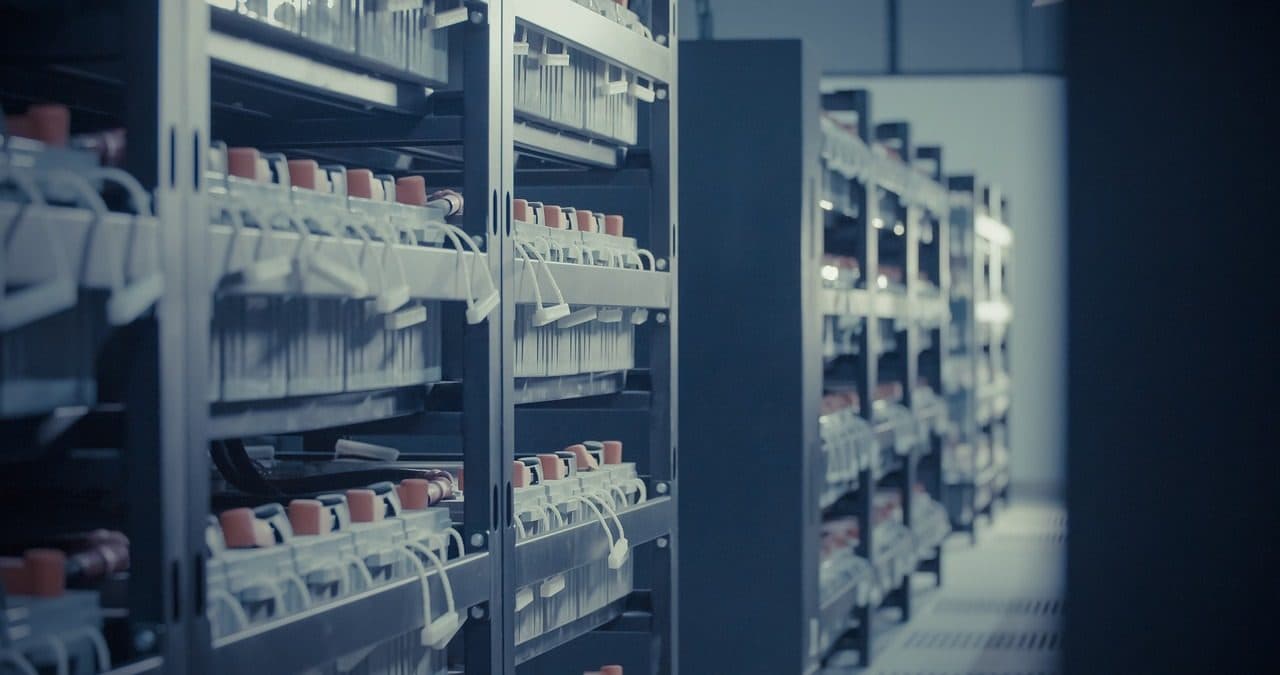
Pakistan imported about 4.5 gigawatts of battery storage equipment in the first six months of 2026, according to figures discussed at a Parliamentary Forum on Energy and Economy in Islamabad. Historical cumulative battery imports into the country are around 9.5 gigawatts, Minute Mirror reported.
The rapid growth has raised concern over high taxes and weak safety rules. Speakers also pointed to the risk that people who can afford storage may leave the national grid, shifting more costs onto consumers who cannot. Lawmakers warned against Pakistan becoming a dumping ground for low quality imports without safety and recycling rules.
Industry representatives said batteries remain too expensive for many households. A basic five kilowatt hour battery could cost around Rs250,000, with taxes and customs duties adding 35 to 40 percent. Speakers called for better rules on battery system design, testing, fire safety and recycling.
The Power Division is preparing battery energy storage projects to store surplus daytime solar power and release it at night. An adviser to the Power Division said tenders for four pilot projects of 10 megawatt hours each were expected within about 15 days.
The 2026 power generation expansion plan was designed to include about 1,500 megawatt hours of utility scale storage, with 1,000 at transmission level and 500 across distribution networks. Regulations to guide private investment in batteries were expected to be developed by April 2027. The government is also considering classifying batteries as regulated assets to ease overloaded transformers instead of building new grid stations.
Peak demand in the national transmission system reached about 26,522 megawatts, or around 29,000 megawatts including K Electric. Daytime demand could fall to 8,000 megawatts. Officials are considering time of use pricing for industries, with an example industrial tariff falling from about Rs30 to Rs22 per unit for consumers with a load factor above 50 percent.
Battery storage may eventually be required alongside electric vehicle chargers to avoid overloading networks. A local battery manufacturing policy is being prepared, but cell production would take years, with early efforts focused on assembly and raw materials.
Business participants said high power costs are pushing factories to invest in solar, batteries and private generation. One participant claimed SSGC gas use fell about 50 percent in seven months, a claim that was not independently verified.
Why it matters
If users who can afford batteries leave the grid, grid costs may shift onto households that cannot, raising their bills. Rules on safety, taxes and storage will affect both households and industry.