Pakistan imports over 4.5GW of battery storage equipment in six months
Pakistan imported more than 4.5 gigawatts of battery storage equipment in the first half of 2026, nearly half of all such imports to date. A Pakistan Solar Association representative gave the figure at a parliamentary dialogue on energy.
For information only, not investment advice. Prices change quickly: check the time and source of every figure.
- Pakistan imported over 4.5GW of battery storage equipment in January-June 2026.
- Cumulative historical imports stand at 9.5GW, according to a Pakistan Solar Association representative.
- The Power Division plans to invite tenders within 15 days for four pilot storage projects.
Pakistan imported more than 4.5 gigawatts (GW) of battery storage equipment in the first half of 2026, a Pakistan Solar Association representative said. The amount is nearly half of the country's cumulative historical battery storage imports of 9.5GW.
The figures came up at a parliamentary dialogue organised by the Parliamentary Forum on Energy & Economy. The meeting discussed the rapid growth in battery storage adoption by households and industrial businesses seeking lower electricity costs.
Convener and MNA Sher Ali Arbab said battery storage would play an important role in improving the efficiency of the power sector over the next two decades. He said expensive electricity generation capacity remained underutilised during daytime hours, and called for a transparent legislative framework developed through cross-party consensus.
Co-convener and MNA Dr Nafisa Shah warned against unregulated imports of substandard batteries. She stressed the need for safety standards, testing facilities and recycling arrangements. Moderator Usama Mela warned that more consumers could leave the national grid because of battery energy storage systems.
MNA Chaudhry Mubeen Arif Jutt said industrialists were investing heavily in captive solar and battery storage. He warned that inadequate market-based procurement arrangements could raise costs for consumers who cannot afford storage systems.
Sanaullah Baloch and Phullain called for a more decentralised approach to policymaking on provincial concerns under the 18th Amendment. They said Balochistan's mineral resources, including potential lithium deposits, could support local battery manufacturing and employment, and asked for provincial consultation on mineral extraction and related projects.
Pakistan Solar Association Vice Chairperson Engr Chaudhry Uzair said cumulative taxes and customs duties on battery storage equipment amounted to 35 to 40 percent. He said a basic 5-kilowatt-hour battery cost more than Rs. 250,000.
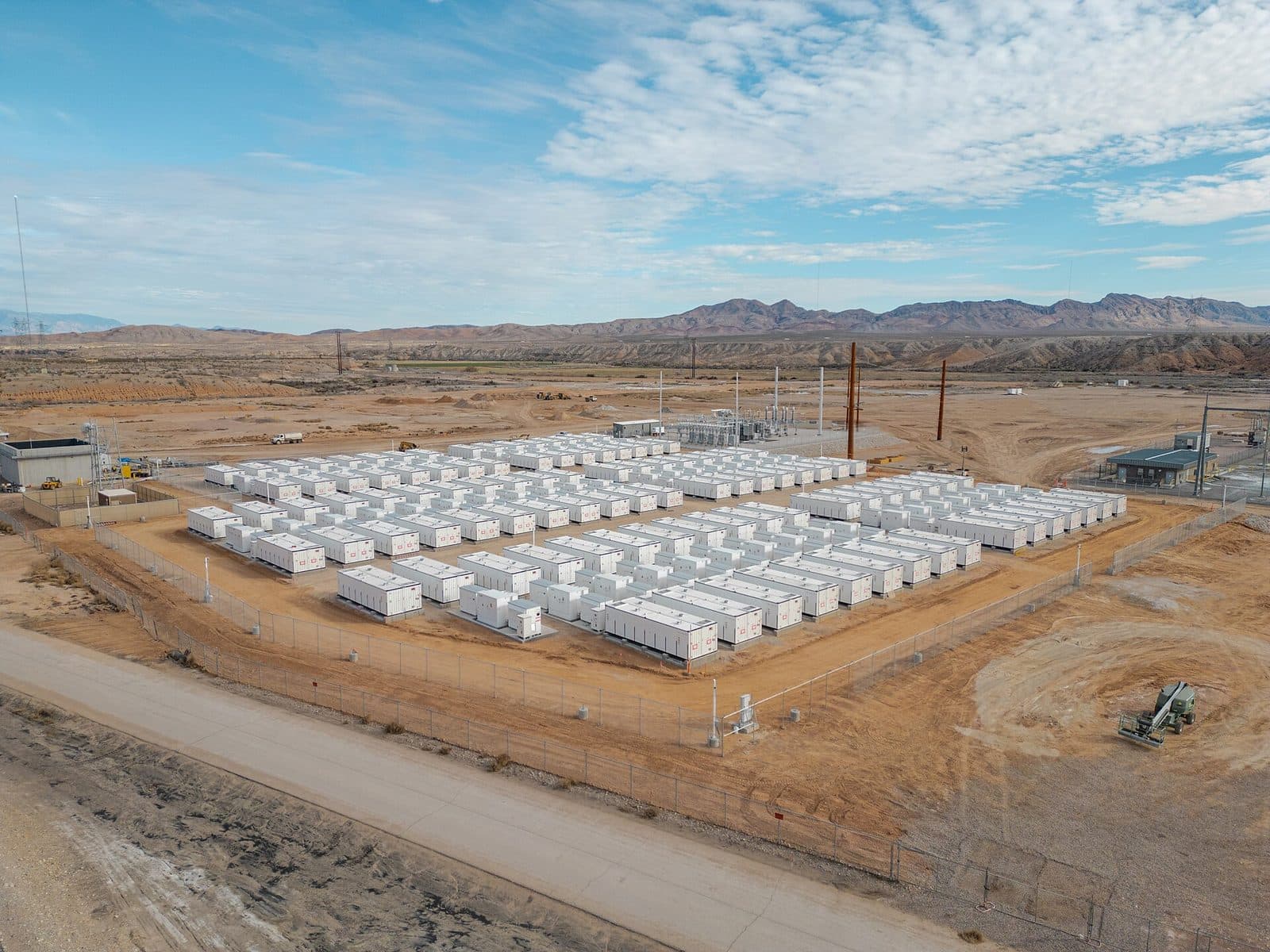
Syed Faizan Shah, adviser to the Power Division, said the division would invite competitive tenders within 15 days for four pilot battery energy storage projects. Each would have a capacity of 10 megawatt-hours, and they would be developed across the Lahore, Multan, Islamabad and Peshawar distribution companies. He said Nepra was designating battery storage as a regulated asset, which would let distribution companies ease pressure on overloaded transformers at lower cost than building new grid stations.
Lahore Electric Supply Company Chairman Amir Zia said distribution transformers faced reverse power flows from rooftop solar systems during the day. He said battery storage could help retain surplus daytime electricity for use in peak evening hours. Participants agreed that utility-scale and distributed storage were becoming increasingly important for the power sector.
Why it matters
Households and industries turning to batteries to cut electricity costs affect demand on the national grid and the costs other consumers may face. Planned pilot projects and regulatory changes could shape how distribution companies in Lahore, Multan, Islamabad and Peshawar manage supply.