Oxfam: War has contaminated over 99% of Gaza, report says
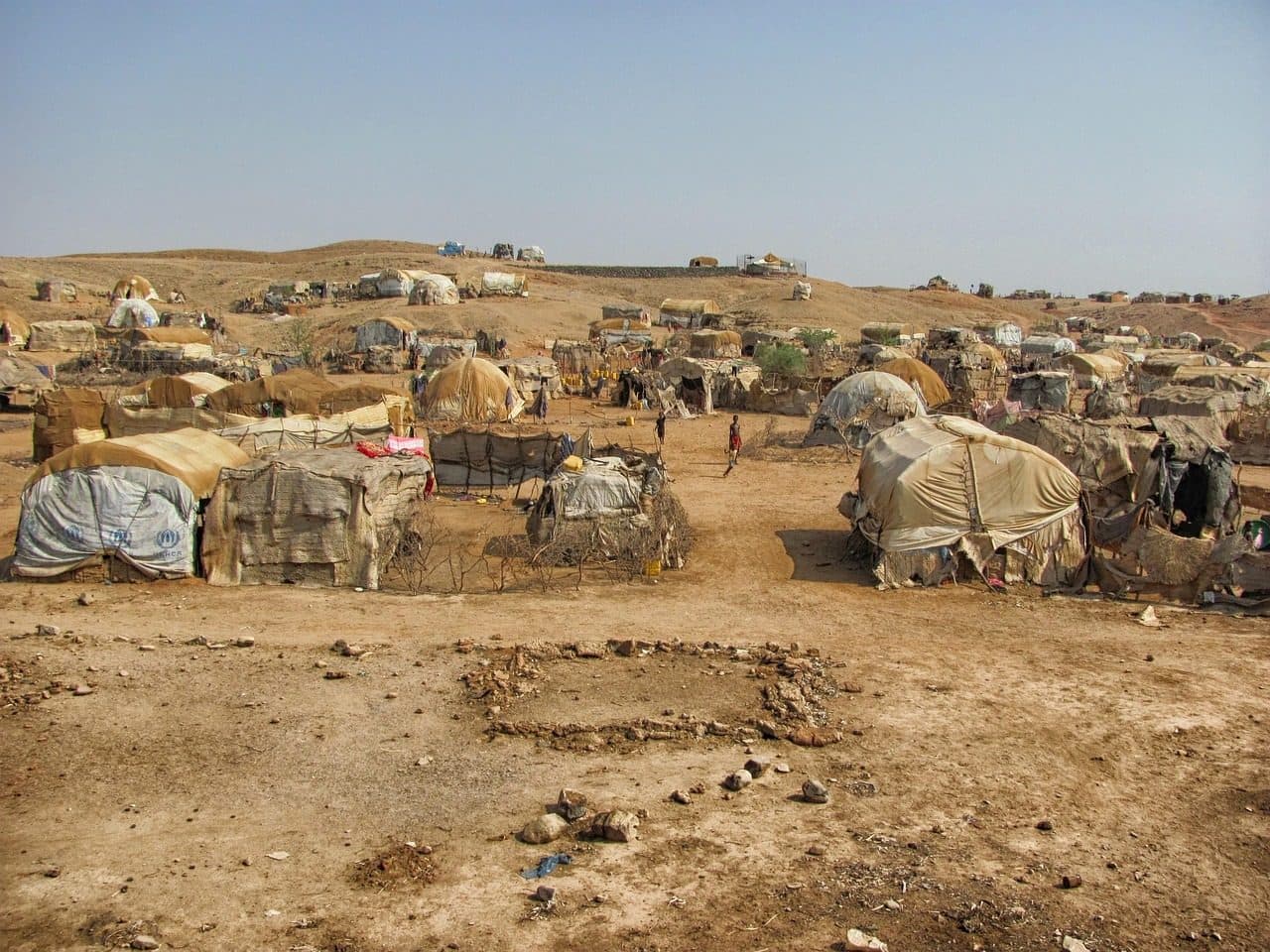
Oxfam and the Conflict and Environment Observatory say water, soil and air are polluted across more than 99 percent of Gaza, Al Jazeera reported. The report links the contamination to Israel's use of explosives and incendiary weapons.
- Oxfam and CEOBS say contamination covers over 99 percent of Gaza
- UNEP estimates 61 million tonnes of debris from the war
- Gaza's daily water supply was still 61 percent below pre-war levels by April 2026
A new report by the charity Oxfam and the Conflict and Environment Observatory (CEOBS) says the war has left Gaza's water, soil and air contaminated, according to Al Jazeera. The report puts the affected area at more than 99 percent of the territory, where 2.3 million people live, and blames Israel's use of explosives and incendiary weapons.
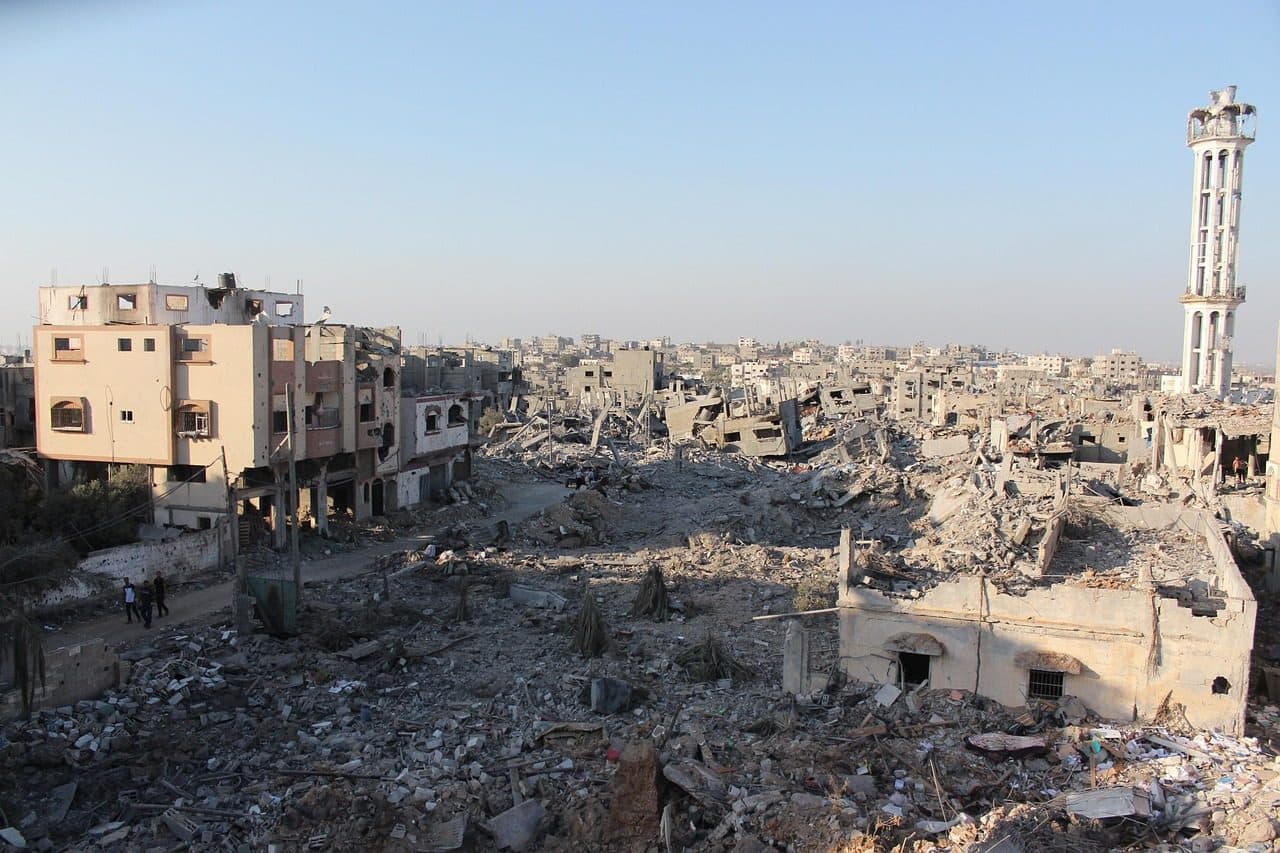
The authors drew on satellite imagery, remote sensing, scientific analysis and other open-source data. Oxfam estimates that by 11 October 2025 Israeli ground operations had directly affected about 283 square kilometres of Gaza's 365 square kilometres, or 78 percent. Its analysis places the highest pollutant concentrations in Gaza City, Jabalia and the North Gaza governorate.
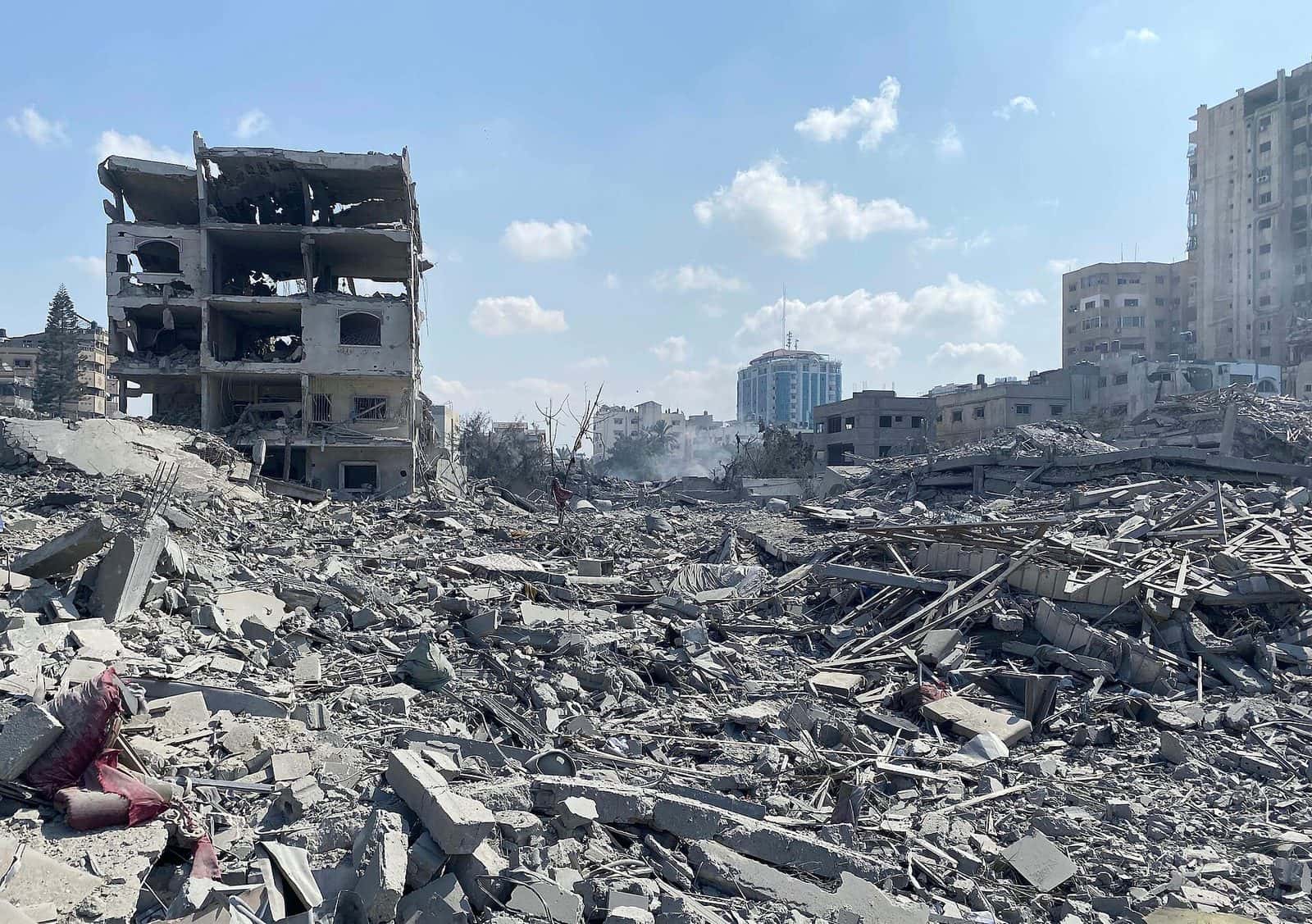
On debris, the UN Environment Programme estimates the fighting since 7 October 2023 has produced 61 million tonnes. Oxfam says clearing it would take 2.1 million dump truck loads, about eight times the 7.65 million tonnes estimated for Mosul in Iraq after the 2017 conflict. The report says unexploded munitions can leak contaminants into soil and groundwater as their casings corrode.
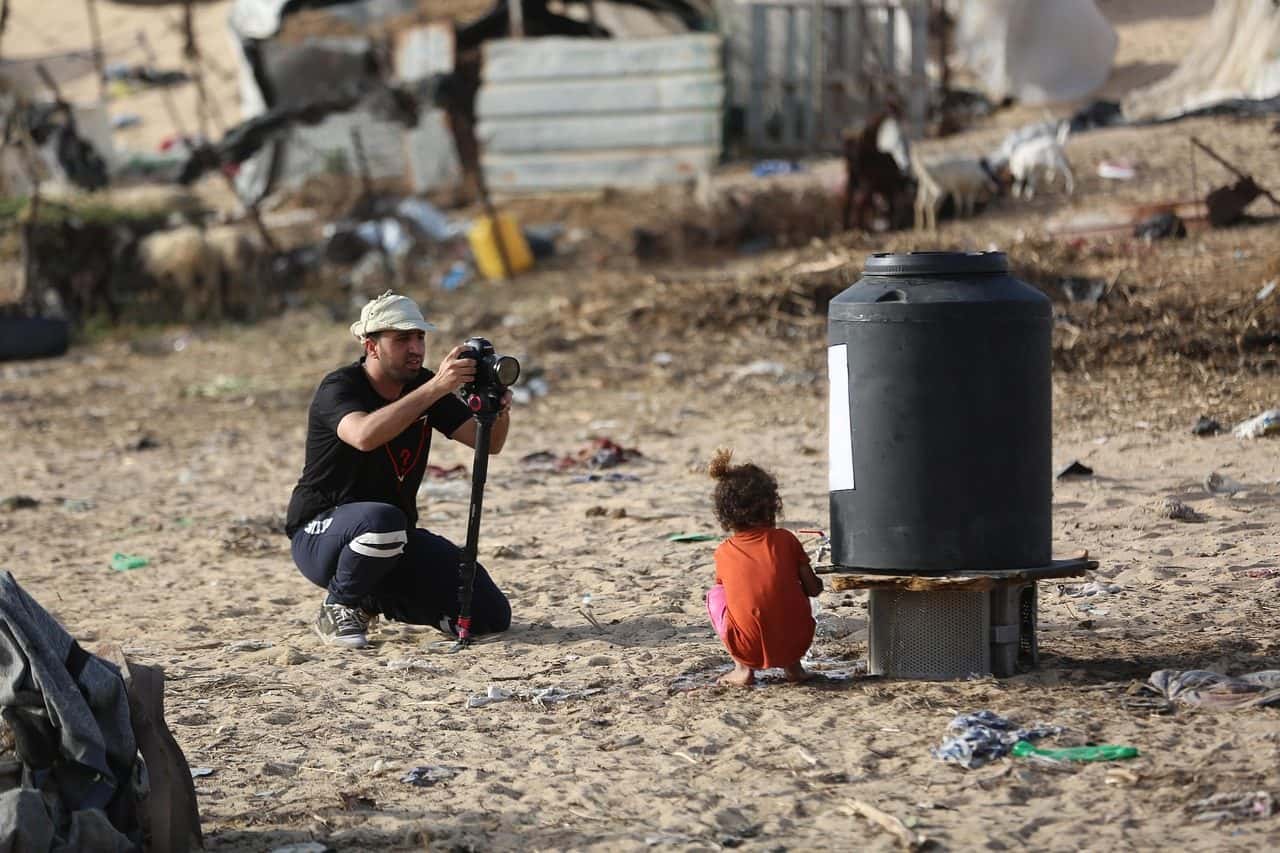
Water supply has been hit hard. A Palestinian Water Authority report cited by Oxfam says daily supply fell from 334,107 cubic metres before October 2023 to 54,747 in June 2024, roughly 84 percent lower. Emergency repairs raised it to 130,315 cubic metres by April 2026, still 61 percent below the earlier level. Only nine of 61 reservoirs were working, with enough combined storage for 18 litres per person for one day.
Oxfam says 97 percent of the Coastal Aquifer was chemically polluted before October 2023. In July 2026 Gaza's Ministry of Health found faecal coliforms in 15 of 79 groundwater wells tested, or 19 percent, compared with 2 percent in a 2021 assessment. In 61 of the 79 wells, 77.2 percent, total dissolved solids exceeded 1,000 milligrams per litre. Oxfam named North Gaza, Gaza City and Deir el-Balah as most at risk from contaminated drinking water.
On emissions, studies cited in the report estimate direct conflict emissions above 1.3 million tonnes of CO2e by January 2025. Across the wider conflict cycle they estimate 33.2 million tonnes, including 31.4 million tonnes from reconstruction.
Oxfam's international executive director, Amitabh Behar, said: "Israel’s ongoing genocide in Gaza includes military assaults on its environment, which are environmental war crimes threatening life now and for generations to come." He also said Palestinians are exposed to toxins through air, food, water and contact with contaminated soil and debris.
The report says Gaza's death toll exceeds 74,000 and that more than 1,500 Palestinians have been killed since the ceasefire signed in October 2025. It came a day after world leaders failed to reach consensus on climate change at COP31.
Background
khabr.pk reported on 21 November that floods hit displacement camps in Gaza, with 150,000 tents held outside the territory and Israel denying it obstructed aid. It also reported on 20 November that over 85 percent of Gaza Civil Defence vehicles were out of service.
Why it matters for Pakistan
The Gaza war is closely followed in Pakistan, and this report describes its environmental impact. The figures on water supply and contaminated wells show what residents face in daily life. Its findings are claims by Oxfam and CEOBS, and the report was released as climate talks at COP31 ended without consensus.
Get khabr.pk news on Facebook and YouTube
Short news videos every day, and the day’s top stories in your feed.