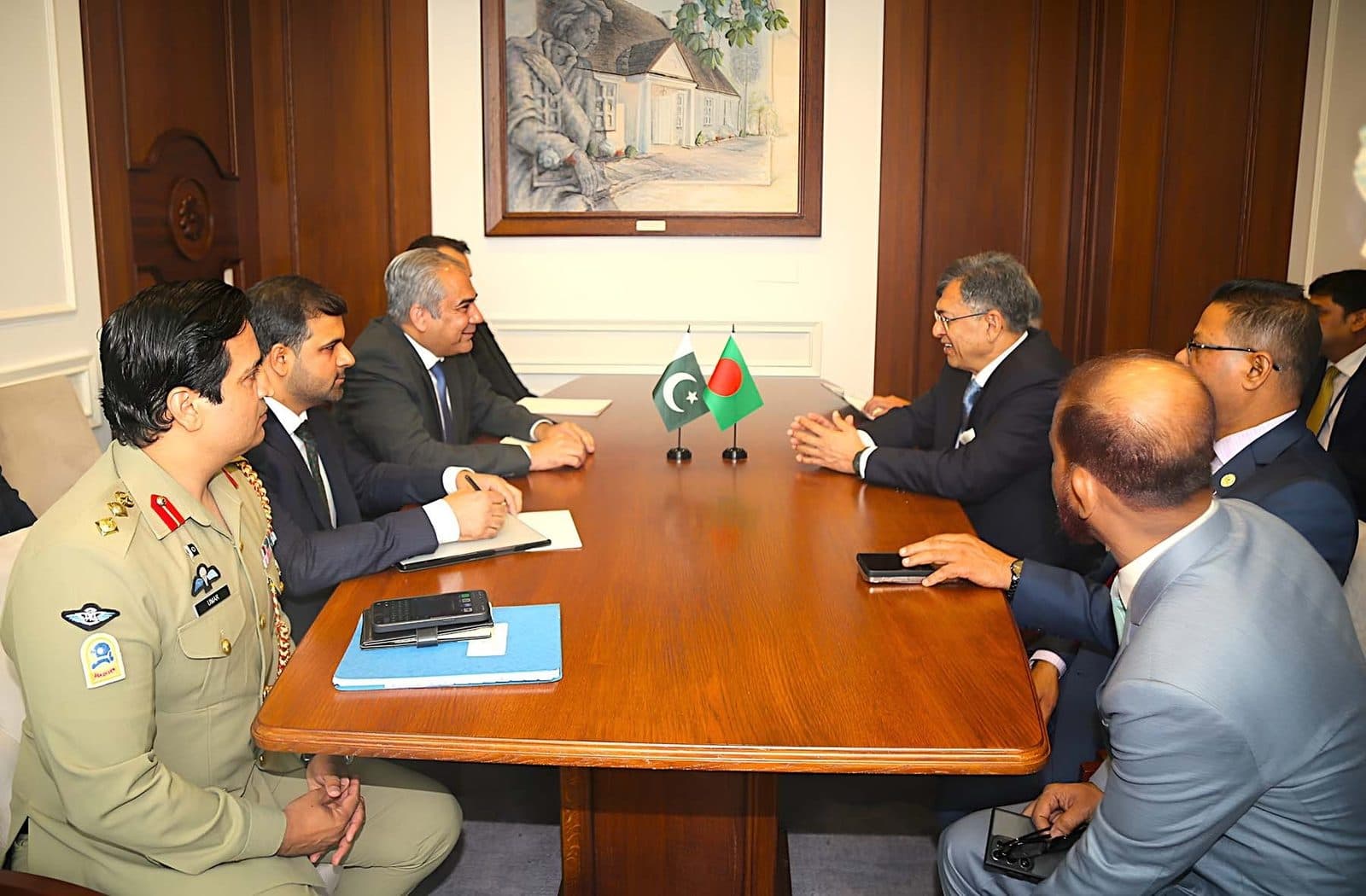
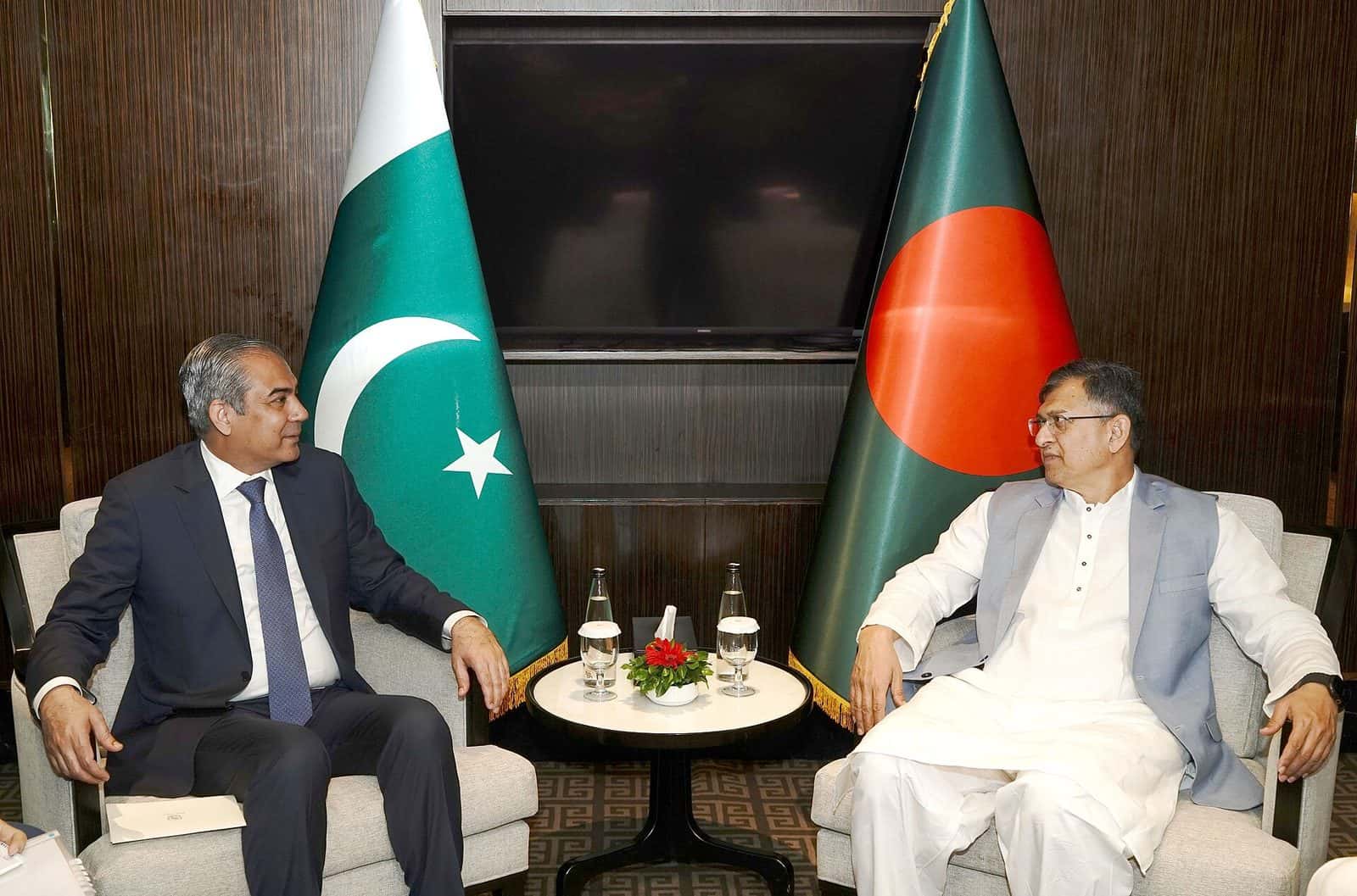
Naqvi sets four social media red lines, says dissent is allowed
Interior Minister Mohsin Naqvi said platforms acted on only 47% of government requests to curb terrorism-related content. He said the government does not intend to curb legitimate criticism.

- Naqvi named terrorism, hate speech, incitement to violence and child sexual exploitation as the four red lines.
- Platforms, OTT services and major content creators must register with the new regulatory authority.
- Enforcement will move from engagement to notice to penalties, with a full platform block as a last resort.
Interior Minister Mohsin Naqvi said on Tuesday that freedom of expression cannot be used as a shield by those who cross the state's red lines. He also said the government has no intention of curtailing legitimate speech, including criticism of itself.
Speaking at a seminar organised by the Sustainable Development Policy Institute (SDPI) in Islamabad, he named four red lines for social media: terrorism, hate speech, incitement to violence and child sexual exploitation. "There will be no compromise on these four points," Naqvi said.
He also said: "Journalists must report. Citizens must question. Dissent must be heard, including against the government."
Naqvi said the Social Media Protection Regulatory Authority (SMPRA) would help deal with online crimes and make sure platforms respond quickly to complaints from victims. Social media platforms, OTT services and major content creators would initially have to register with it, which he said was meant to fix accountability. Major platforms would be expected to name empowered country representatives who can decide on complaints.
The authority would follow a set procedure of engagement, then notice, then penalties, Naqvi said, with blocking an entire platform only as a last resort. Daily Pakistan reported that he said government requests would be lawful, clear and open to review.
Naqvi criticised platforms for acting on only 47% of government requests to curb terrorism-related content. He said terrorist groups use online platforms for recruitment, fundraising and spreading their narratives, and Daily Pakistan reported that he pointed to the Balochistan Liberation Army, a declared terrorist organisation, whose officials he said remain active online.
He said the government lacks the manpower, resources and technology to handle digital crime alone. Punjab, with about 140 million people, has only 61 personnel in the National Cyber Crime Investigation Agency (NCCIA), counting clerical staff and drivers. The government plans to strengthen the agency and move the complaint platform under it on the PakID app.
Naqvi said five female cybercrime victims met him at an open court hearing, and that victims complained of having no effective way to approach platforms. He thanked Google for helping authorities trace a child sex offender in Abbottabad. Khyber Pakhtunkhwa Governor Faisal Karim Kundi told the seminar that telling fake news from authentic information is a growing challenge, and urged civil society, media and academia to help identify those involved.
Background
khabr.pk reported on 24 November that Prime Minister Shehbaz Sharif told federal ministers to stop public spats, after a row between Mohsin Naqvi and Rana Sanaullah over new provinces. khabr.pk also reported that day that five suspected terrorists were killed in a Counter Terrorism Department operation in Peshawar's Badaber area.
Why it matters for Pakistan
The registration rules would apply to social media platforms, OTT services and major content creators operating in Pakistan, including those who post to Pakistani audiences. Users who report online abuse are to get a single trackable complaint system through the PakID app. The stated limits on speech cover terrorism, hate speech, incitement to violence and child sexual exploitation, and Naqvi said criticism of the government would still be allowed.
Get khabr.pk news on Facebook and YouTube
Short news videos every day, and the day’s top stories in your feed.