Audit finds costly medicine purchases under KP Sehat Card Plus
An audit report says medicines and medical supplies under Khyber Pakhtunkhwa's Sehat Card Plus programme were bought at high prices. Government systems can get discounts of up to 70 percent, but participating hospitals received only 15 percent.
- Audit says Sehat Card Plus hospitals paid high prices for medicines and supplies
- Government procurement can secure discounts of up to 70 percent; hospitals got 15 percent
- Audit recommends digital procurement and third-party audits
An audit report has found that medicines and medical supplies under Khyber Pakhtunkhwa's Sehat Card Plus programme were bought at high prices, according to Daily Times and Express News. Nawa-i-Waqt also reported the findings from Peshawar.
According to the report, government departments can secure discounts of up to 70 percent when they buy medicines through official procurement systems. Hospitals affiliated with Sehat Card Plus, however, received discounts of only 15 percent on their medicine purchases.
The report said the hospitals linked to the programme bypassed the central procurement system. Instead, they bought medicines and medical supplies from local suppliers at higher prices. It added that the hospitals could have secured better prices through a centralised purchasing system.
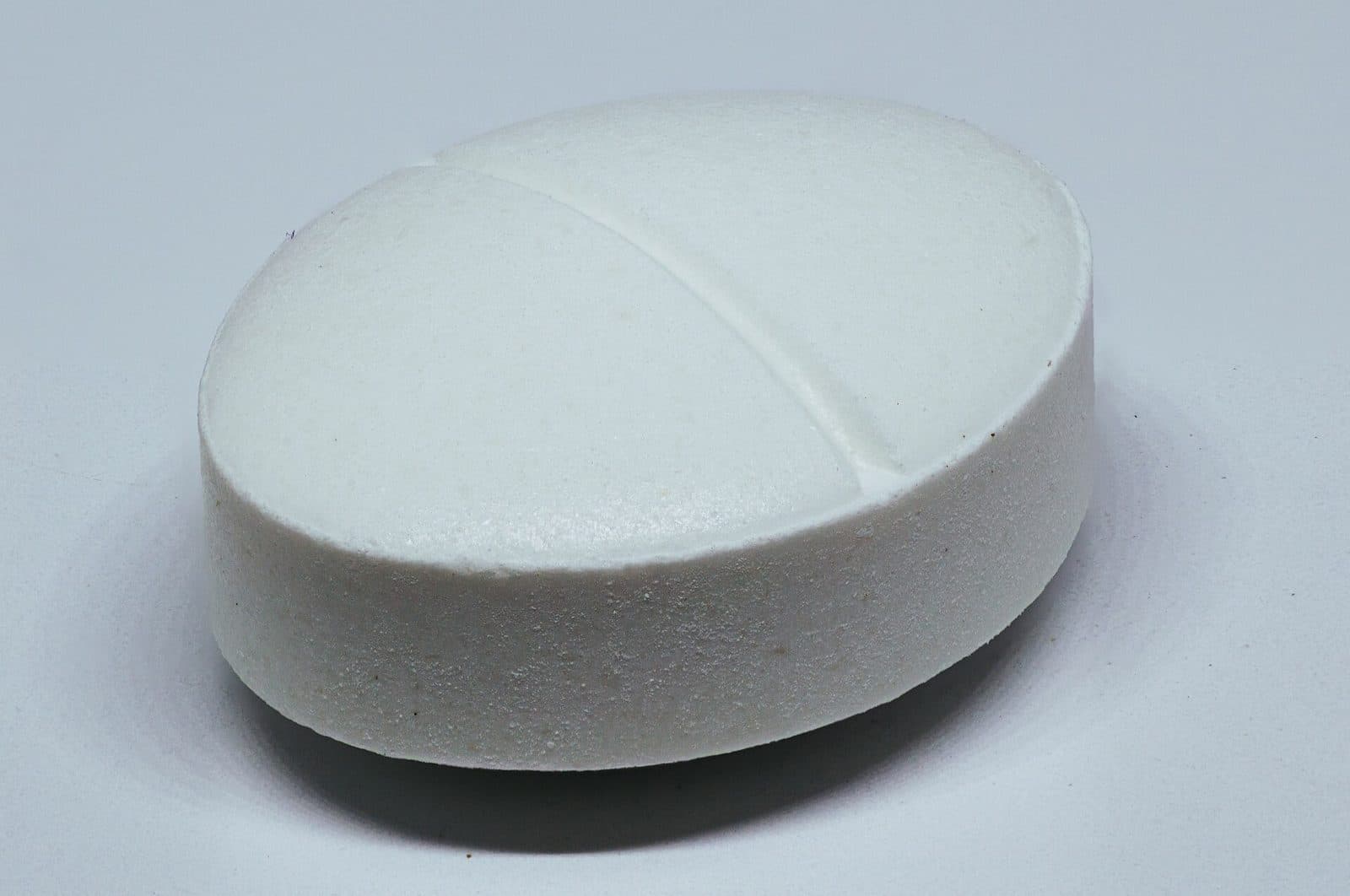
Medicines, medical equipment and other supplies account for 40 to 45 percent of the programme's total healthcare expenses, the reports said. The gap in prices therefore touches a large share of what the programme spends on treatment.
Express News reported that separate purchasing has caused unnecessary financial loss to the public treasury. It said questions have been raised about the pricing, quality and transparency oversight of medicine purchases under the Sehat Card. Daily Times said the audit also found financial irregularities that could increase pressure on public funds.
The audit recommended introducing a digital procurement system for Sehat Card Plus. It also called for independent third-party audits of purchases of medicines and medical supplies.
Express News said the report asked for the programme's procurement system to be linked immediately to the official central government system. Daily Times said the report urged authorities to use the central procurement system. The reports did not say how the provincial government has responded.
Why it matters
Patients and taxpayers in Khyber Pakhtunkhwa are affected because the programme's spending on medicines and supplies is a large share of its costs, and the audit says higher prices put pressure on public funds.