Iran warns new US military action could widen war as mediators push talks
Iran's army and supreme leader have warned that any new attack on the country would bring a response not limited by geography. Qatari mediators held talks in Tehran on Friday, with more expected on Saturday.
- Supreme Leader Mojtaba Khamenei ordered an immediate response if Iran is attacked again, Al Jazeera reported.
- Qatari diplomats held talks in Tehran on Friday, with more expected on Saturday.
- Iran proposes reopening the Strait of Hormuz in exchange for a return to the June memorandum of understanding.
Iran has warned that any further US military action could spread the war across a wider area, as mediators try to prevent a new conflict between Tehran and Washington. Arab News and Al Jazeera reported the warnings on Friday and Saturday.
According to Al Jazeera, Supreme Leader Mojtaba Khamenei issued a message to the armed forces. His office said he met senior military commanders and gave them strategic directives, requiring maximum deterrence and an immediate response if Iran is attacked again.
Army spokesman Mohammad Akraminia also warned the Trump administration. He said: "If the US president once more embarks on adventurism in the region through threats and greed of the Zionists, the fire of war will undoubtedly engulf a wider geography."
On the diplomatic side, Qatari diplomats held talks in Tehran on Friday, and further talks are expected on Saturday. US Vice President JD Vance reportedly wrote a letter to Tehran, addressed to Mohsen Rezaei, calling for Iranian nuclear commitments, including international inspections and a decision on Iran's highly enriched uranium. Local media confirmed Iran received the letter but did not say whether it replied. Trump rejected reports that he ordered renewed peace talks and said the letter concerned allowing medical supplies into Iran.
Iran's proposal is to reopen the Strait of Hormuz within several days in return for a return to the June memorandum of understanding. Its demands include lifting the US maritime blockade on Iranian ports, waivers on oil sanctions and a truce in regional conflicts, including in Lebanon. The Jomhouri-e Eslami newspaper said chances of an agreement were slim and that fighting could break out after the US midterm elections on November 3.
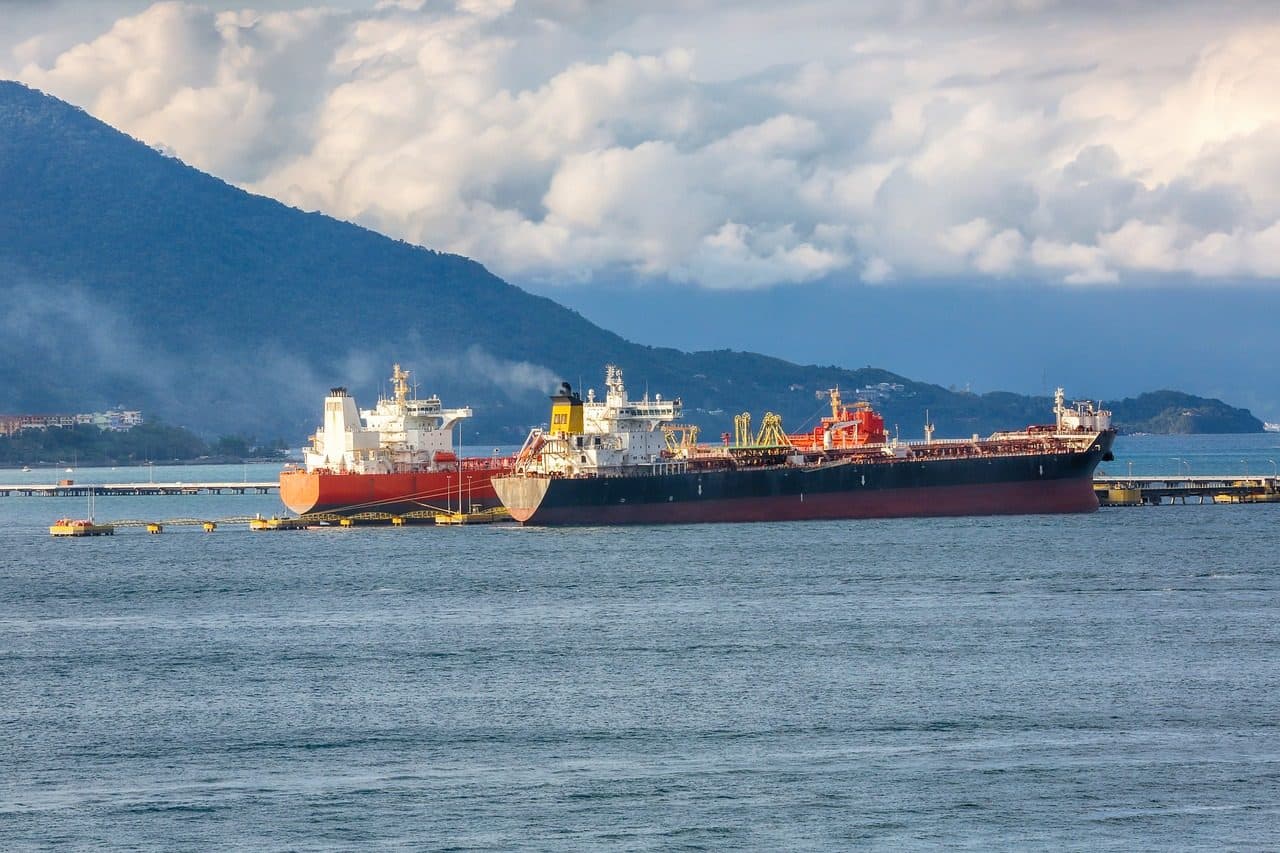
Incidents continued at sea. Local authorities said a US drone bombed two fishing boats south of Qeshm island, wounding several fishermen. Iranian state television said at least six tankers were damaged by explosions after allegedly hitting mines. UKMTO reported that a tanker northeast of Oman's Khasab was attacked by a small boat that attached two explosive devices, causing a fire and disabling the vessel.
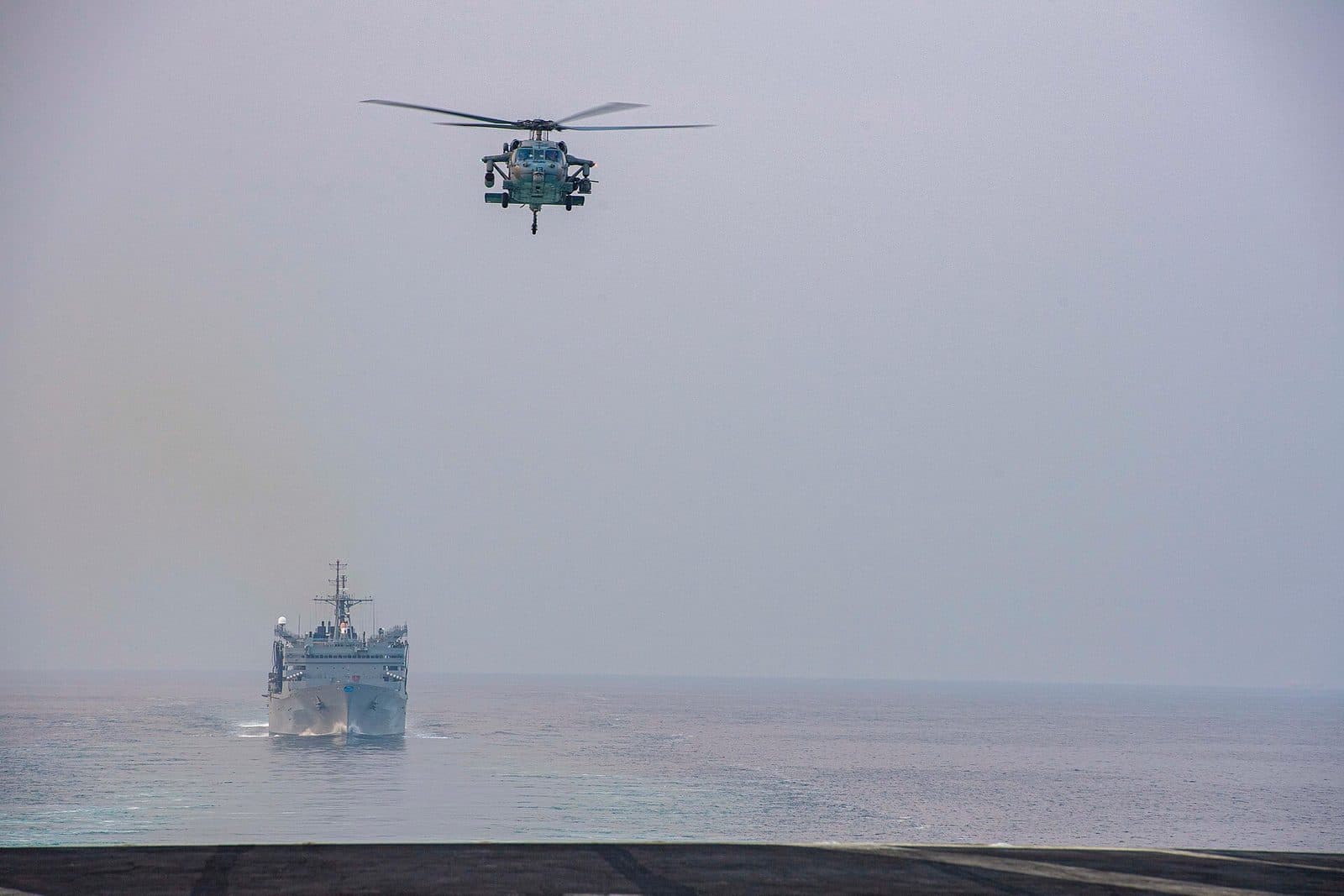
The maritime monitor recorded 155 inbound and 122 outbound transits through the Strait of Hormuz in the week ending October 28, 70 percent lower than pre-war levels. US Central Command chief Brad Cooper said he saw dozens of vessels in the strait supported by US aircraft and sea drones, adding: "I didn’t see the IRGC out there at all." Iran's security chief Rezaei criticised Europe after German Chancellor Friedrich Merz said European war costs exceeded 100 billion euros.
Why it matters
A wider Iran war could disrupt Gulf oil supplies, Pakistani workers in the Gulf and regional security. The Strait of Hormuz is already seeing traffic 70 percent below pre-war levels, according to the maritime monitor.