Iran says indirect talks with US continue via Qatar and Pakistan
Iranian Foreign Minister Abbas Araghchi said Tehran is in intensive diplomatic contact with Washington through Qatari and Pakistani mediators. He said the next step is up to the United States.
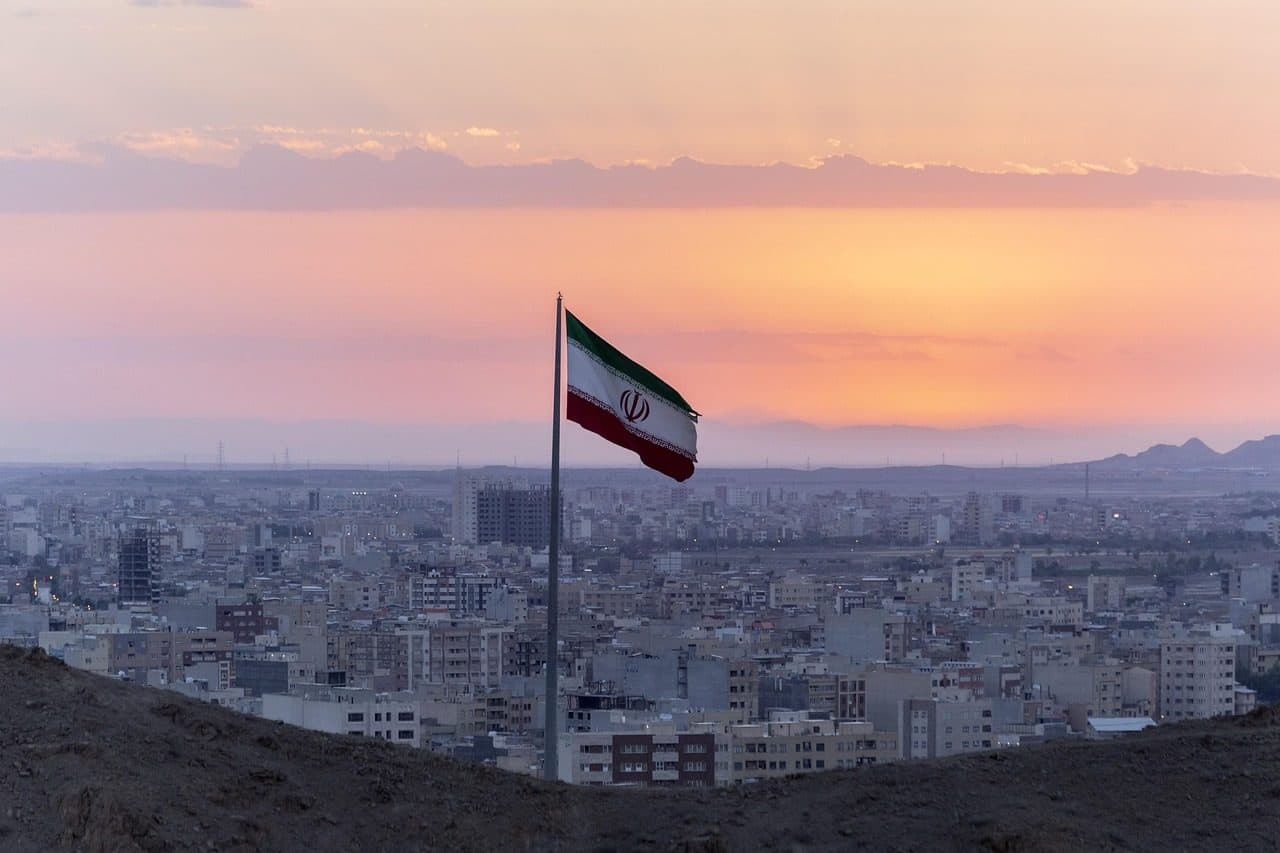
- Araghchi said contacts through Qatar and Pakistan involve dozens of telephone calls.
- He said Iran has presented a plan and conditions and left the next step to Washington.
- He said reopening the Strait of Hormuz depends on acceptance of Iran's conditions.
Iranian Foreign Minister Abbas Araghchi said on Monday that Tehran is engaged in intensive diplomatic contacts with the United States through Qatari and Pakistani mediators. Arab News described the talks as indirect and 'very intensive'. Anadolu Agency reported that the contacts involve dozens of telephone calls.
Araghchi spoke to Iran's state news agency IRNA at the end of a visit to Turkmenistan. He said Tehran had presented a clear plan and conditions for a diplomatic resolution and had left the next step to Washington.
In a quote carried by Anadolu, Araghchi said: "We have announced our specific conditions and presented our formulated plan; now everything depends on how much political rationality prevails on the American side and whether there is a will to take the wise path of diplomacy or, as in previous instances, to drag the situation toward aggression and military operations."
Araghchi said Iran was prepared for both diplomatic and military scenarios more than ever before. He warned that any renewed military action or deception would draw a harsher response, and said Tehran would not bow to coercion.
He also said the reopening of the Strait of Hormuz and the full resumption of negotiations depend on unconditional acceptance of Iran's conditions. Anadolu said the exchanges come amid continuing tensions between Tehran and Washington over the US naval blockade and security in the Strait of Hormuz.
On the Turkmenistan trip, Araghchi said the focus was advancing bilateral projects in energy, transit and economic cooperation. These followed agreements reached by the two countries' presidents on the sidelines of the Commonwealth of Independent States summit in Awaza.
Asked about a visit to Beijing by Ali Bagheri Kani, deputy secretary of Iran's Supreme National Security Council, Araghchi described the consultations as part of Iran's security engagement with key partners.
Why it matters
Pakistan is named as one of two mediators in the US-Iran contacts. The conflict also affects fuel prices and Pakistani workers in the Gulf.