Iran outlines two-day plan to reopen Strait of Hormuz if US meets demands
Iran says it has a two-day plan with Qatari mediators to reopen the Strait of Hormuz. It depends on the United States meeting Tehran's conditions, and Washington has not publicly accepted it.
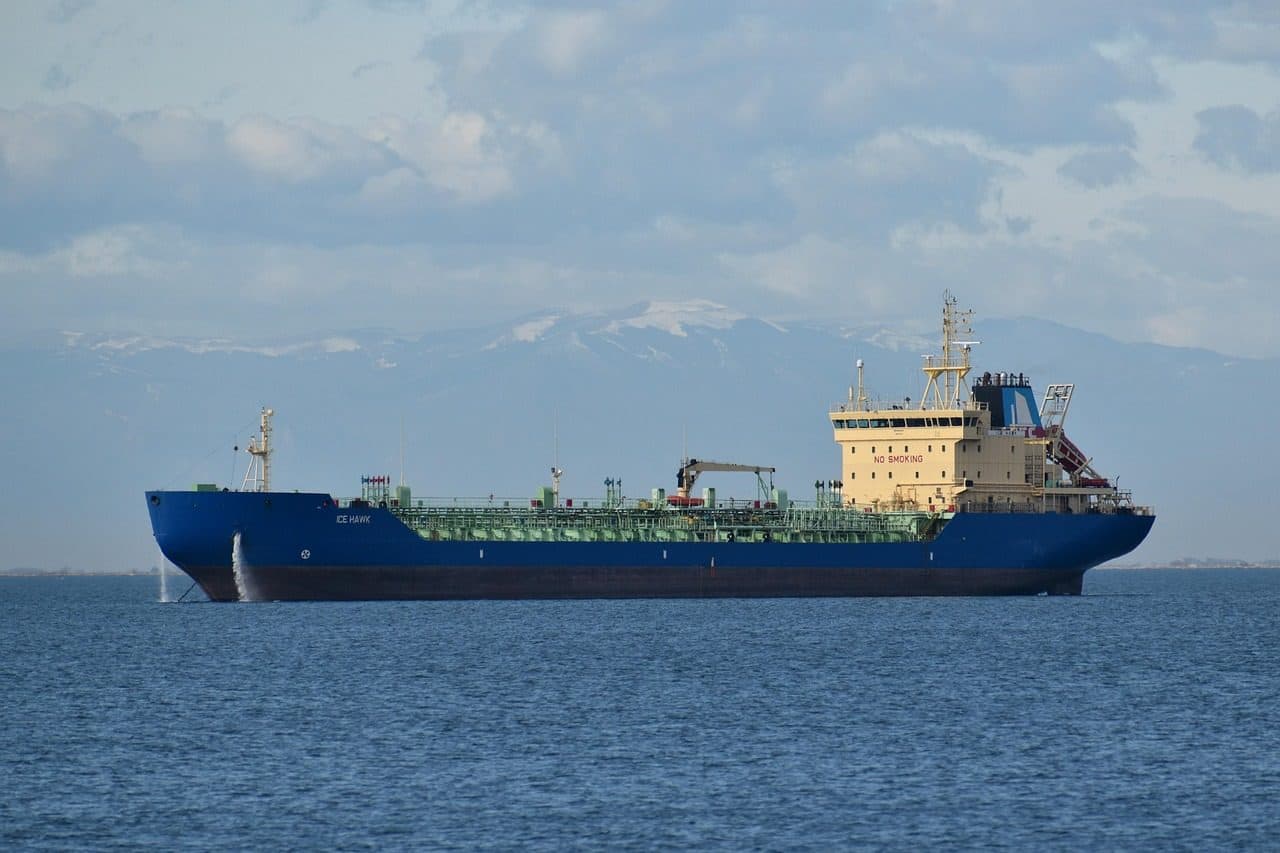
- Foreign Minister Abbas Araghchi says a two-day plan has been reached through Qatari mediation.
- On day one the US would take a set of measures; on day two Iran would reopen the strait.
- The US has not publicly accepted the proposal, and consultations continue.
Iran says it has reached a two-day plan with Qatari mediators to reopen the Strait of Hormuz, provided the United States meets Tehran's conditions. Foreign Minister Abbas Araghchi announced it, according to Gulf News and Al Jazeera.
Araghchi described the sequence. "I can say that we have now reached a two-day plan. This means that on the first day, the U.S. implements a set of measures, and on the second day, the Strait of Hormuz reopens and transit returns to its previous state," he said.
Gulf News reported that the plan is a shortened version of an earlier seven-day proposal, cut to 48 hours after consultations with Qatari mediators. Foreign Ministry spokesman Esmaeil Baghaei told reporters the one-week timeframe was first proposed in September. Euronews quoted him as saying the shorter timeline was "another indication of Iran's good-faith approach", but that "everything depends" on Washington.
The report describes the announcement as a proposal, not an agreed deal. Gulf News said consultations continue and no definitive conclusion has been reached. Araghchi said the talks were moving toward implementation.
Iran says the United States must first meet its demands, which reporting indicates include sanctions relief. Gulf News reported that Iran considers the US response to its seven conditions inadequate. It also said Washington has not publicly responded to or accepted the two-day framework. The US military says the strait is open.
Qatar has been mediating between Washington and Tehran. According to Gulf News, Araghchi said his visit to Doha was not meant to include direct negotiations with the American side, and discussions continued through Qatari mediators. The Independent reported that Iran also said it had a plan to resume nuclear talks with the United States if Washington meets its demands.
The Guardian reported that negotiators were "braced for worst" over the talks to reopen the strait.
Why it matters
Disruption in the Strait of Hormuz threatens the oil and LNG shipments Pakistan depends on, so any move to reopen it bears on Pakistan's energy supplies.