Gulf states work on multipart deal to avert renewed US-Iran war
Gulf states are working on a multipart peace plan to reopen the strait of Hormuz and ease the conflict in Yemen. The US is following the talks but is holding out for a concession on UN weapons inspectors, according to The Guardian.
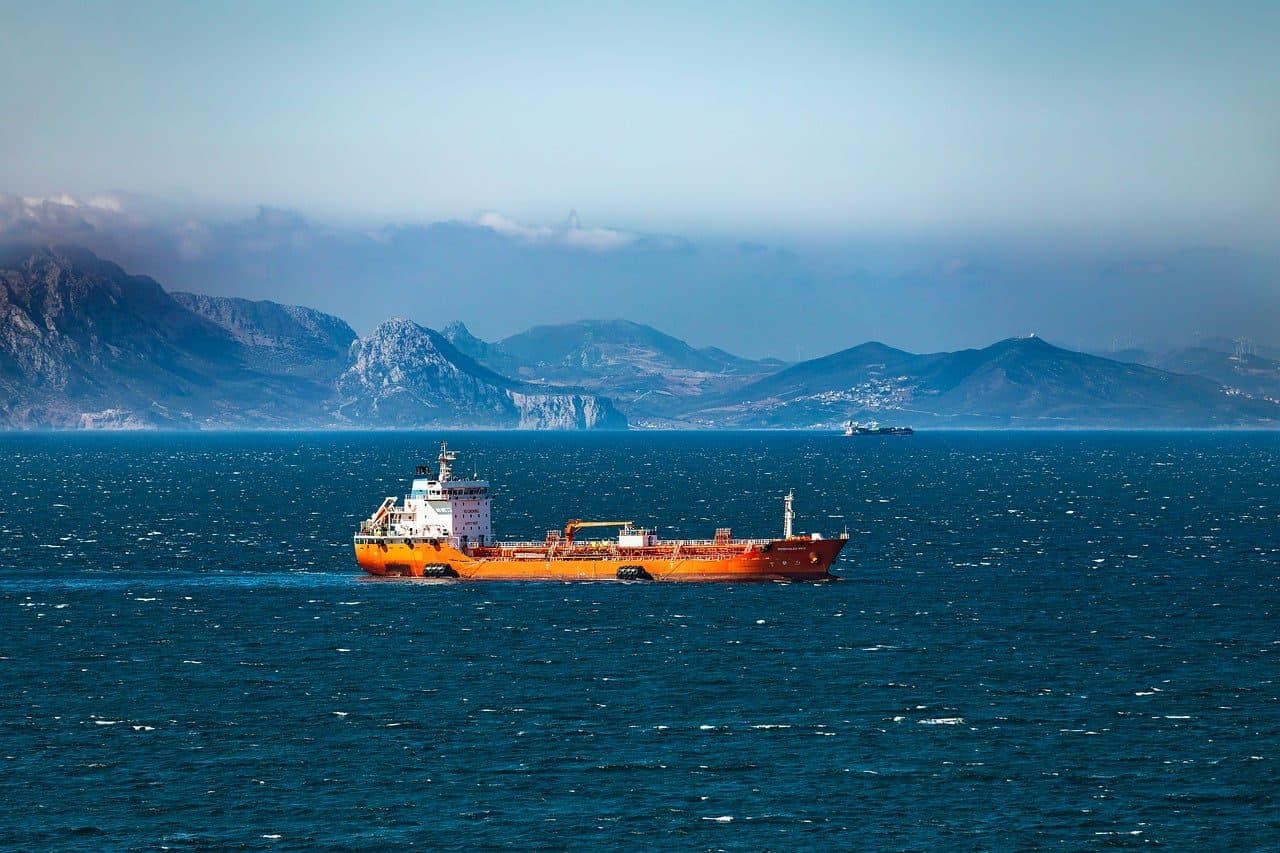
- Plan would reopen the strait of Hormuz within four days of sanctions being lifted
- Houthis would withdraw substantial forces inside Yemen
- Iran has so far refused to readmit UN weapons inspectors
- Delegation from Saudi Arabia, Turkey and Pakistan visited Tehran
Gulf states are working on a multipronged peace deal meant to prevent what they regard as a disastrous renewal of war between Iran and the United States, according to The Guardian. Its central elements are the reopening of the strait of Hormuz within four days of sanctions being lifted, and a withdrawal of substantial Houthi forces inside Yemen.
The United States is aware of how the talks are progressing but is holding out for a concession. European powers suggest this could involve Iran allowing UN weapons inspectors back into the country. European diplomats believe that letting inspectors visit Iran's bombed nuclear sites is a minimum requirement for a breakthrough with US President Donald Trump.
The British foreign secretary, Ed Miliband, urged Iran to readmit the inspectors when he met Iranian foreign minister Abbas Araghchi in New York. Iran has refused so far, saying it will only hold talks in principle on its nuclear programme.
Iran is focused on guarantees of sanctions relief in return for reopening the strait. Ali Bagheri, deputy secretary of Iran's national security council, said Iran was willing to shorten its proposal for reopening the strait from seven days after sanctions are lifted to four days.
On Yemen, Iran is starting to acknowledge a mediating role. Mohsen Rezaei, secretary of the supreme national security council, met the Houthi ambassador to Iran, Ibrahim al-Dulaimi, on Tuesday. This came 24 hours after a high-level delegation from Saudi Arabia, Turkey and Pakistan travelled to Tehran to discuss Saudi terms for ending the Yemen conflict and a longer-term regional security architecture. The Houthis are demanding that Saudi Arabia lift what it regards as a naval and air blockade on Houthi-held territory.
Iran kept its nuclear programme off the agenda at that meeting and steered the discussion towards a long-term regional security vision including the Gulf states and Iran, with the US presence in the Middle East reduced or ended. A new non-aggression pact would meet Iran's highest strategic goal, and a commitment by six Gulf states might make it easier for Iran to accept difficult nuclear concessions.
Oman's foreign minister, Badr Albusaidi, a key advocate of the plan, said he believed the US administration understood this was the direction the region is heading. He said the economic potential would be enormous if Iran were fully re-engaged. Araghchi said at a televised event that he was already thinking about the postwar period, and that Iran's policies remain the same whether or not there is war.
Why it matters
A renewed US-Iran war would affect Gulf jobs, oil prices and the remittances Pakistani families rely on. Pakistan was also part of the delegation that travelled to Tehran.