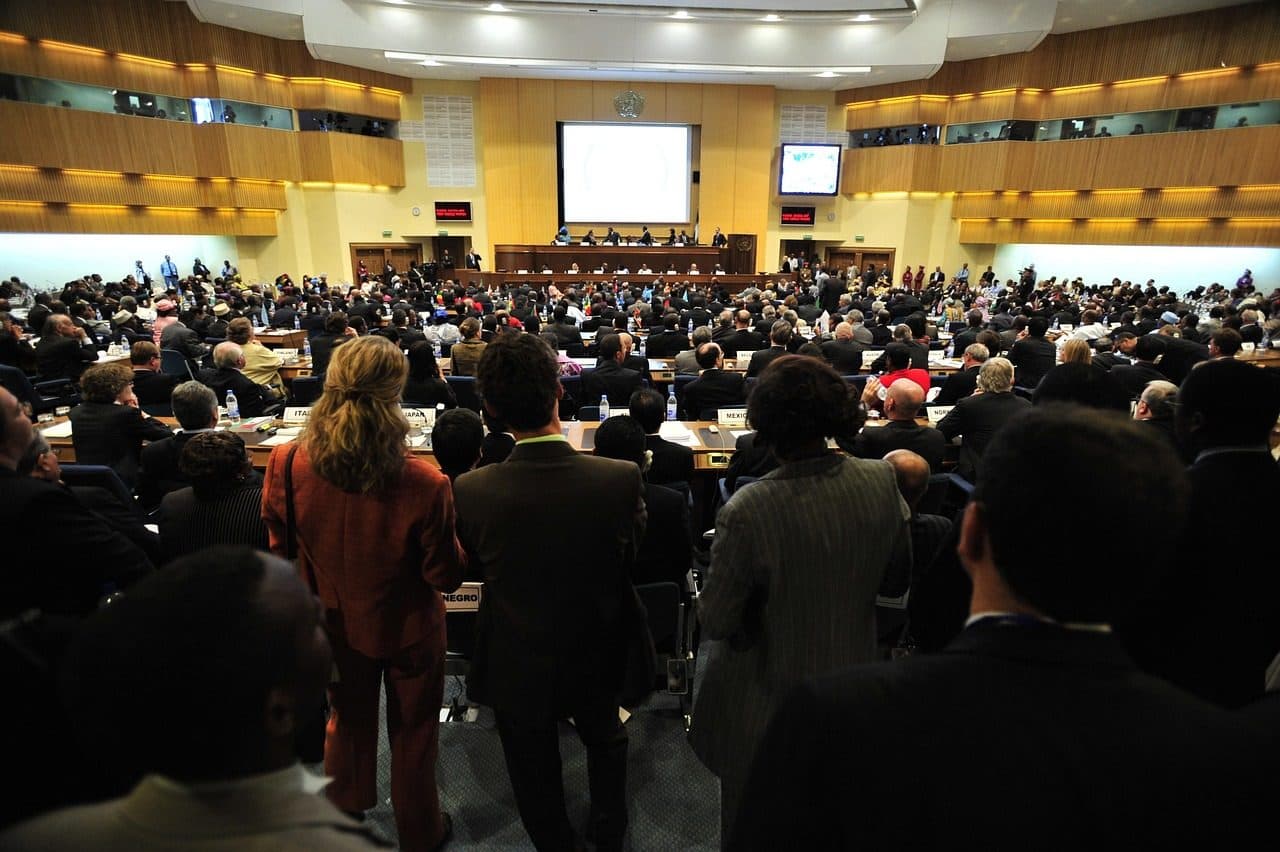
Gilani pledges parliamentary support for water security at Pakistan Water Week
Senate Chairman Yousaf Raza Gilani said Parliament will back water security through legislation, oversight and budget allocations. He spoke at the opening of the sixth Pakistan Water Week 2026 in Islamabad on Monday.
- Gilani pledged legislation, oversight and budgetary allocations for water security.
- He said the Indus Waters Treaty remains valid and binding.
- The five-day conference runs from November 2 to 6 with more than 200 participants.
Senate Chairman Yousaf Raza Gilani said on Monday that Parliament will support water security through legislation, oversight and budgetary allocations. He was addressing the inauguration of the sixth Pakistan Water Week 2026 in Islamabad, and urged policymakers to turn commitments into practical measures that protect farmers and communities from floods and water shortages.
Gilani described water security as a national priority that needs coordinated efforts by Parliament, provincial governments and relevant institutions. He named three key areas: enforceable legislation, effective parliamentary oversight and sustained financial resources.
He called for full implementation of provincial water laws and stronger mechanisms to regulate groundwater extraction. He said water policies must benefit farmers at the tail end of irrigation networks, and that flood early-warning systems must reach vulnerable villages in time. He also said public spending should prioritise disaster-risk reduction alongside relief and rehabilitation.
On solar-powered tube wells, Gilani said they have helped farmers but that their expansion needs effective groundwater regulation. He also called for planned aquifer recharge and greater use of floodwater, and for reliable water data-sharing to build trust among provinces. He said women, young people and farming communities should be involved in water governance.
Gilani cited figures on the scale of the problem. He said the 2022 floods affected around 33 million people and caused more than $30 billion in losses and damages, and that nearly seven million people were affected by floods last year. Per capita water availability, he said, has fallen from over 5,000 cubic metres to about 1,000 cubic metres. He questioned whether post-disaster reconstruction reduces future risks, saying "response is not resilience".
Daily Times reported that Gilani said Pakistan will not allow water to be used as a tool of geopolitical pressure, reaffirming its position on India's move to put the Indus Waters Treaty in abeyance. He said the treaty remains valid and binding and that no single party can alter it unilaterally. There was no immediate response from New Delhi.
India announced in April 2025 that it was placing the 1960 treaty in abeyance after a deadly militant attack in Indian-administered Kashmir, which New Delhi blamed on Pakistan. Pakistan denies the allegation and says the treaty cannot be suspended unilaterally.
IWMI Pakistan Country Representative Dr Muhammad Ashraf said water security is linked to food security, climate resilience and economic stability, and that each session should produce clear commitments, responsibilities and timelines. IWMI Strategic Programme Director Dr Mohsin Hafeez said Pakistan has research and policy recommendations but needs a shared commitment to act on them. The conference ends on November 6, with a closing ceremony on November 5.
Why it matters
Floods and water shortages affect farmers and communities across Pakistan, and the legislation and budget allocations Gilani mentioned would shape how these risks are handled.