FBR orders video cameras in textile spinning units by November 15
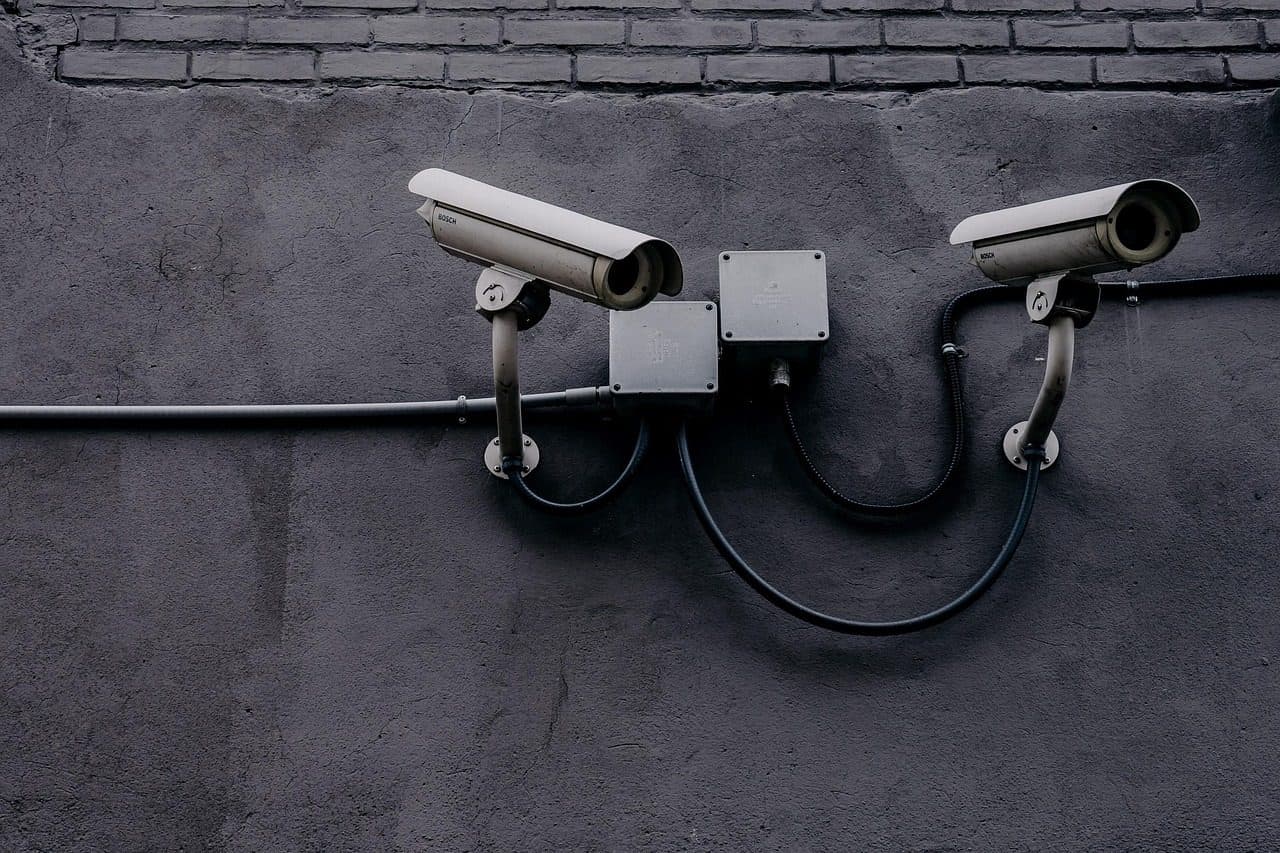
The Federal Board of Revenue has made video surveillance cameras mandatory in all registered textile spinning units. They must be installed by November 15, 2026, under Sales Tax General Order No. 30.
For information only, not investment advice. Prices change quickly: check the time and source of every figure.
- All registered spinning units must install cameras by November 15, 2026.
- The cameras will monitor fibres handled in loose or unbaled forms.
- The order adds to Sales Tax General Order No. 08 of 2025, which stays in force.
The Federal Board of Revenue (FBR) has ordered all registered textile spinning units to install video surveillance cameras at designated locations by November 15, 2026. The requirement was issued through Sales Tax General Order No. 30, and the board says the new directives take effect immediately.
According to the FBR, the aim is to monitor electronically the processing of natural, synthetic and blended fibres. These include cotton, polyester, viscose, wool and acrylic when they are handled in loose, unbaled or other non-bale forms. Monitoring will use video surveillance and video analytics.
The board said the arrangement is in addition to the monitoring of cotton bales already required under Sales Tax General Order No. 08 of 2025. That earlier order remains in force, and the new one is to be read as an addition to it.
The order lists where cameras must be placed: hopper bale openers, hopper feeders, and weighing hoppers and blending feeders that mix natural and synthetic fibres. Cameras are also required on designated blowroom lines for synthetic fibres, waste openers and recycling lines, as well as at points where fibres are stored or mixed before being moved to the blowroom.
The FBR has also directed vendors of board-approved video analytics systems to connect these cameras to their platforms. Vendors must ensure the systems can identify, count and measure the quantity of fibres supplied in loose or unbaled form.
Under the order, each system must provide real-time video recording of the production process and instant receipt of production-related data. It must also identify and count items, and send data immediately to the FBR's central control unit.
The systems must further keep records, detect unexpected stoppages and carry out quantitative analysis of production. They must also provide data analytics that can be used in legal proceedings.
Why it matters
Spinning mills are a major export industry in Pakistan, and registered units must now install and connect monitoring systems to meet the deadline.